You Won't Believe What I Found While Wandering Venice's Hidden Shopping Streets
Wandering through Venice isn’t just about gondolas and canals—some of the city’s true magic hides in its quiet alleyways, where local artisans sell handcrafted treasures. I stumbled upon boutiques selling Murano glass, Burano lace, and leather goods you won’t find in tourist zones. This isn’t shopping; it’s storytelling through objects. Let me take you through the authentic, lesser-known shopping spots that make Venice unforgettable.
The Allure of Slow Shopping in Venice
In an age of instant gratification and online shopping, Venice offers a rare alternative: the art of slow shopping. Here, retail is not transactional but experiential—a journey that unfolds at the pace of footsteps on ancient cobblestones. Unlike the crowded souvenir stalls near St. Mark’s Square, where mass-produced masks and trinkets dominate, the city’s hidden corners reveal a deeper tradition. Shopping in these intimate spaces becomes a dialogue between traveler and maker, where stories are shared over cups of espresso and every object carries a history.
Wandering with purpose—allowing yourself to get slightly lost—unlocks these moments. Venice’s labyrinthine layout, with its narrow calli and sudden campos, rewards curiosity. Turn down an unmarked passage behind a quiet church, and you might find a shoemaker hand-stitching leather slippers using techniques passed down for generations. These encounters are not staged for tourists; they are part of the city’s living rhythm. The value lies not only in what you purchase but in the connection you make.
Supporting small ateliers also sustains a fragile cultural ecosystem. Many artisans face rising rents and competition from imported goods, making local patronage crucial. When you buy a hand-painted fan from a Dorsoduro workshop or a lace-trimmed handkerchief from a Burano elder, you help preserve skills that UNESCO has recognized as intangible cultural heritage. This is ethical tourism at its most meaningful—where every purchase contributes to continuity rather than commodification.
Slow shopping also encourages mindfulness. Without flashy displays or aggressive sales tactics, the focus shifts to quality, material, and craftsmanship. A single visit to a family-run bottega might last over an hour, as the artisan explains how Murano glass gains its iridescence or how vegetable-tanned leather ages beautifully. This depth of engagement transforms shopping from consumption into appreciation—a reminder that the most memorable souvenirs are not bought but discovered.
Rialto Market & Surrounding Artisan Alleys
The Rialto area has been Venice’s commercial heart for centuries, and today it remains one of the best places to witness the city’s vibrant daily life. Begin your exploration early in the morning, when the Rialto Market comes alive with fishermen unloading glistening catches and vendors arranging pyramids of seasonal produce. The energy is electric—shouts in Venetian dialect, the scent of sea salt and basil, the clatter of crates being stacked. But beyond the food stalls lies a network of alleys where retail blends seamlessly with local routine.
Just steps from the market, tucked between bakeries and cafes, you’ll find family-run boutiques offering spices imported from the East via historic trade routes, textiles hand-dyed with natural pigments, and intricately carved wooden masks made for Carnevale. These shops are not designed for quick browsing; their windows are often unassuming, their interiors dimly lit with warm wood shelves. Yet inside, treasures await—boxes of saffron from Iran, rolls of linen embroidered with floral motifs, and masks adorned with gold leaf and feathers.
One of the most delightful discoveries in this district is the presence of *cartolerie*—traditional stationery shops specializing in marbled paper, known locally as *canevaso*. These papers, created using centuries-old techniques, feature swirling patterns reminiscent of ocean waves or marble stone. They are used to wrap gifts, cover journals, or frame as art. Some shops allow you to watch artisans create the designs in real time, dropping ink onto water and gently manipulating the patterns with fine tools before transferring them to paper.
What makes the Rialto and its surroundings special is the authenticity of the experience. You won’t find price tags in multiple currencies or staff speaking five languages. Instead, shopkeepers greet regulars by name and may offer you a small glass of wine as you browse. This is retail as community practice—a reminder that commerce in Venice has always been personal. By engaging respectfully—smiling, attempting a few words in Italian, and showing genuine interest—you open the door to deeper interactions and perhaps even an invitation to see a private studio nearby.
Murano Glass Beyond the Showrooms
Murano, the island famous for its glassmaking tradition, is often reduced to a tourist stop with polished showrooms and guided factory tours. While these offer convenience, they rarely capture the soul of Venetian glass artistry. To experience the craft in its purest form, venture beyond the main piazzas into quieter lanes where independent maestri maintain small furnaces in their workshops. These artists welcome visitors not as customers but as appreciative guests, often allowing you to observe the mesmerizing process of glass-blowing up close.
The transformation of molten glass into delicate vases, chandeliers, or figurines is nothing short of theatrical. Using long metal rods, artisans gather glowing orbs from the furnace, then shape them with precision tools while assistants gently blow through tubes to expand the forms. The heat is intense, the movements fluid and practiced—each piece a collaboration between fire, breath, and skill. Watching this process fosters a profound respect for the art, making any purchase feel earned rather than incidental.
There is a significant difference between factory-produced glass and authentic artisan work. Mass-market pieces, often sold in souvenir shops across Venice, are typically made with molds and lower-quality materials, resulting in uniformity and reduced durability. In contrast, hand-blown glass from a recognized maestro bears subtle imperfections—bubbles, slight asymmetries, variations in color—that attest to its handmade nature. These characteristics are not flaws but signatures of authenticity.
When visiting Murano, take time to research studios with reputations for integrity. Many artists display certificates of origin and are happy to discuss their training and influences. Some belong to the *Consorzio Promovetro Murano*, a consortium that verifies authenticity and craftsmanship standards. Purchasing directly from such studios ensures fair compensation for the artist and guarantees you are acquiring a genuine piece of Venetian heritage. And because prices in smaller workshops are often lower than in tourist-facing showrooms, you gain both value and assurance.
Burano’s Lace and Local Craft Shops
If Murano glows with fire and light, Burano enchants with delicacy and silence. This colorful island, known for its brightly painted houses, is also home to one of Italy’s most endangered crafts: Burano lace. For centuries, women here have practiced a needlework technique so intricate it can take weeks to complete a single doily. Today, only a handful of artisans remain, many of them elderly, continuing the tradition in small, family-run shops that double as classrooms for apprentices.
Walking through Burano’s quiet streets, you may hear the soft click of bobbins or catch sight of a woman seated by a window, her hands moving with practiced grace. These are not performances for tourists but daily rituals. Some workshops welcome visitors, allowing you to observe the process and even try a simple stitch under patient guidance. The lace itself—featuring floral patterns, geometric motifs, and fine netting—is sold in tiny boutiques adjacent to the workspaces. Items range from delicate collars and handkerchiefs to table runners and framed artworks.
Supporting authentic Burano lace is an act of cultural preservation. Cheap imitations, often made in factories outside Italy, flood the market with machine-made versions that mimic the appearance but lack the soul of handcrafted pieces. These knockoffs undermine the livelihoods of true artisans and erode the craft’s legacy. By choosing genuine lace—verified by labels, provenance, or direct purchase from a known maker—you contribute to its survival.
Many of these shops also offer custom work, allowing you to commission a piece with a personal design or monogram. While more expensive, such items become heirlooms—tangible connections to a vanishing art. Even a small purchase, like a lace-trimmed bookmark or coaster set, carries symbolic weight. It is not merely decorative but a quiet protest against disposability, a vote for patience, precision, and human touch in an increasingly automated world.
Dorsoduro’s Bohemian Boutiques
Dorsoduro, stretching from the Accademia Bridge to the southern tip of Venice, pulses with creative energy. Once a quieter residential district, it has evolved into a hub for independent designers, ceramicists, and bookbinders who have transformed old palazzos and workshops into studios and concept stores. Here, tradition and innovation coexist—where centuries-old techniques are reinterpreted with contemporary flair.
One of the joys of shopping in Dorsoduro is the element of surprise. A narrow doorway might lead to a multi-level boutique showcasing handmade jewelry inspired by Venetian mosaics, or a former print shop could now house a ceramicist crafting espresso cups with glazes that mimic the lagoon’s shifting colors. These spaces are often curated like galleries, with careful lighting and minimal displays that let the craftsmanship speak for itself.
Concept stores in this district blend vintage finds with new creations—perhaps a rack of upcycled silk dresses beside shelves of hand-thrown pottery and locally printed poetry books. Some shops host rotating exhibitions or weekend markets, creating a dynamic retail environment that feels alive and evolving. The owners are typically artists themselves, eager to discuss their influences, materials, and creative processes.
Dorsoduro also attracts fashion designers who draw from Venice’s sartorial history—elaborate embroidery, luxurious fabrics, structured tailoring—but reinterpret them for modern wardrobes. You might find a boutique specializing in reversible capes lined with hand-printed linings, or a studio offering made-to-order leather gloves dyed with natural pigments. These pieces are not fast fashion but investments in beauty and durability, designed to age gracefully.
The district’s bohemian spirit extends to its atmosphere. Streets are quieter than in central Venice, allowing for leisurely exploration. Cafes with outdoor seating provide rest stops between discoveries, and the proximity to the Zattere promenade offers views of the Giudecca Canal. In Dorsoduro, shopping feels less like a checklist and more like a creative journey—one that inspires as much as it acquires.
San Polo & Santa Croce: Off-the-Beaten-Path Finds
While San Polo and Santa Croce lie within walking distance of major attractions, they remain refreshingly untouched by mass tourism. These sestieri—neighborhoods—retain a strong local character, where daily life unfolds without performance. It is here, away from the main thoroughfares, that some of Venice’s most authentic shopping experiences await.
In San Polo, near the backstreets of the Frari Church, you might stumble upon a cobbler’s workshop where an elderly artisan repairs shoes using traditional Venetian soles—thick, flexible leather designed to withstand the city’s damp conditions. His tools are worn but precise, his movements deliberate. He may not speak English, but a smile and a pointed finger at a pair of hand-stitched slippers can lead to a meaningful exchange. These shoes, built to last, are a far cry from the flimsy leather goods sold near Rialto.
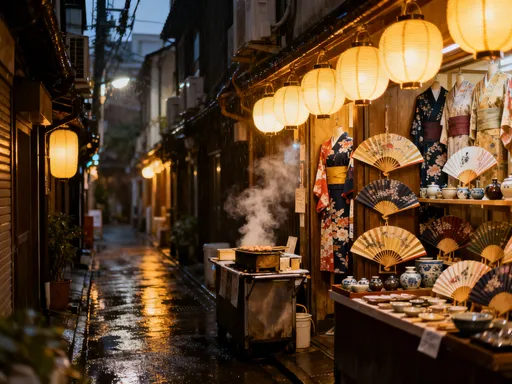
Elsewhere in San Polo, tiny shops specialize in hand-painted fans, religious icons, or custom hat-making. One might find a bottega where a third-generation fan maker paints delicate scenes of Venetian life onto silk—gondolas gliding at sunset, palazzos reflected in still water. Each piece is signed and dated, transforming the fan from accessory to artwork. These items are not marketed aggressively; they simply exist, waiting to be noticed by a curious passerby.
In Santa Croce, near the Verona Gate, artisanal apothecaries sell natural soaps infused with herbs from the lagoon, while small bookshops offer antique maps and vintage travel guides. The district’s proximity to the train station makes it a crossroads, yet its side streets remain calm. Walking without a map increases the chances of discovery—a tucked-away stationer selling hand-bound journals, or a glassblower’s apprentice selling test pieces at a fraction of retail cost.
These neighborhoods remind us that Venice is not just a monument but a living city. Its shops are not exhibits but working spaces where craft and commerce intertwine. By venturing into these quieter zones, travelers gain access to a more intimate, human-scale Venice—one defined not by crowds but by quiet dedication and quiet beauty.
Practical Tips for the Wandering Shopper
To fully embrace Venice’s hidden shopping culture, a few practical considerations can enhance your experience. First, timing matters. Mornings are ideal for visiting markets like Rialto, where freshness and energy peak before noon. Weekdays, especially Tuesday through Thursday, offer fewer crowds than weekends, allowing for more relaxed browsing and meaningful conversations with artisans.
Cash remains essential in many small shops. While larger boutiques accept cards, family-run ateliers and street vendors often operate on a cash-only basis. Carry euros in small denominations to facilitate transactions and show respect for local customs. ATMs in Venice may charge high fees, so consider withdrawing in advance.
When identifying authentic crafts, look for signs of handmade quality—irregularities in shape, visible brushstrokes, or stitching variations. Ask questions: Where was this made? Who made it? How long did it take? Artisans are usually proud to share their process. Labels from organizations like *Consorzio Promovetro Murano* or *Burano Lace School* add credibility.
Transportation within Venice relies heavily on foot and vaporetto. Familiarize yourself with Line 12, which connects Fondamente Nove to Burano, and Line 4.1/4.2 for Murano. Purchase a multi-day pass if planning multiple island visits. Always validate tickets to avoid fines.
Respectful etiquette goes a long way. Ask permission before photographing artisans at work—some welcome it, others prefer privacy. Avoid haggling, which is uncommon in Italy and may be seen as disrespectful. Instead, express appreciation through thoughtful questions and genuine interest. A simple *grazie* and a smile can open doors more than any transaction.
Finally, travel lightly. Venice’s bridges and narrow passages make carrying bulky bags challenging. Bring a foldable tote for purchases, and consider shipping larger items like glassware or furniture directly from the workshop. Many artisans offer this service with secure packaging and reliable couriers.
Venice’s soul lives in its details—the texture of lace, the glint of glass, the patina of worn leather. Wandering with intention transforms shopping into a journey of connection and discovery. By stepping off the main paths, travelers don’t just collect items; they carry home stories, craft, and the quiet heartbeat of the city.