You Won’t Believe These Hidden Gems in Pretoria
Pretoria, South Africa, is more than just a political capital—it’s a city blooming with unexpected beauty. I never thought tree-lined avenues and tranquil gardens could steal my heart until I wandered through its quiet streets. From secret viewpoints to peaceful nature escapes, Pretoria’s scenic spots are low-key but mind-blowing. If you’re looking for authentic, off-the-beaten-path moments, this city delivers. Let me show you the side most tourists miss.
Beyond the City Buzz: Pretoria’s Quiet Beauty
Pretoria is often labeled as South Africa’s administrative heart, home to government institutions and diplomatic missions. Yet beneath this formal identity lies a city wrapped in greenery, serenity, and seasonal wonder. While many travelers rush to Cape Town’s coast or Kruger’s wilds, a quieter revolution in mindful travel is drawing discerning visitors to Pretoria’s understated charm. This is a city where jacaranda trees paint the streets in lavender each spring, where neighborhoods breathe with calm, and where nature is never far from reach. Unlike the bustling energy of Johannesburg just 50 kilometers away, Pretoria offers a gentler pace—one that rewards those who seek stillness over spectacle.
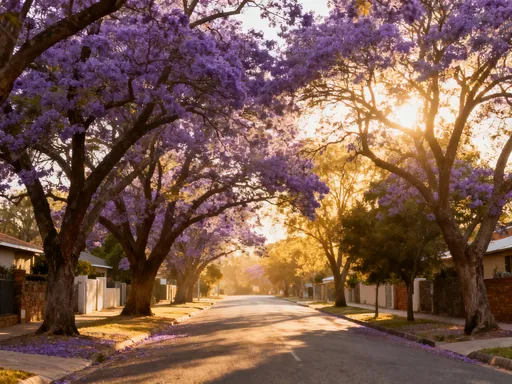
The nickname "Jacaranda City" is more than a marketing tagline—it’s a lived reality between September and November, when over 70,000 jacaranda trees burst into bloom. But Pretoria’s allure isn’t limited to its famous purple canopies. Beyond the university campuses and official buildings are tree-shaded parks, meandering walking trails, and residential lanes where birdsong replaces traffic noise. These spaces are cherished by locals who value privacy, peace, and proximity to nature. For the thoughtful traveler, Pretoria presents a rare urban experience: one where city life coexists harmoniously with natural beauty, and where discovery feels personal rather than performative.
What makes Pretoria particularly appealing to niche travelers is its lack of overt tourism infrastructure. There are no overcrowded viewpoints, no long queues for entry, and few souvenir stalls. Instead, visitors encounter authentic daily life—neighbors chatting over garden fences, children cycling down quiet streets, and elders reading on shaded porches. This sense of intimacy fosters connection. It allows travelers to slow down, observe, and absorb the rhythm of a community that takes pride in its environment. In an age where popular destinations often feel staged, Pretoria remains refreshingly real.
The Magic of Magnolia Avenue: A Seasonal Wonder
One of Pretoria’s best-kept secrets is Magnolia Avenue in the suburb of Brooklyn. During spring, this unassuming residential street transforms into a breathtaking tunnel of purple. Lined with mature jacaranda trees whose branches arch overhead, the avenue becomes a living canopy that filters sunlight into soft violet hues. Early morning walks here feel almost sacred—dew glistens on fallen petals, the air carries a faint earthy sweetness, and the only sounds are rustling leaves and distant birds. It’s a sensory experience that lingers long after you’ve left.
Unlike the more famous Church Street, which draws photographers and crowds during peak bloom, Magnolia Avenue remains largely undiscovered by tourists. Locals stroll here with dogs, joggers pause to catch their breath beneath the trees, and couples sit on benches sharing quiet conversations. The absence of traffic and commercial activity enhances the dreamlike atmosphere. There’s no rush, no agenda—just the simple pleasure of being present in a place of natural elegance. For visitors, this offers a rare chance to experience Pretoria’s floral magic without the noise of mass tourism.
Timing is key to fully appreciating this seasonal wonder. The blooming period typically begins in late September and peaks in mid-October, depending on rainfall and temperature. Visiting early in the morning not only ensures cooler temperatures but also guarantees softer light for photography. A slow walk down the avenue, camera in hand or simply hands in pockets, allows full immersion in the moment. Wear comfortable shoes, bring a light jacket for the morning chill, and let yourself be captivated by the quiet beauty above. This is not a destination to rush through—it’s a place to pause, breathe, and remember why travel matters.
Uncovering Freedom Park: Where Nature Meets Reflection
Perched on a hilltop in Salvokop, Freedom Park is one of Pretoria’s most profound yet peaceful destinations. More than a museum or memorial, it is a space designed for contemplation, connection, and healing. Its sweeping lawns, indigenous vegetation, and carefully curated pathways invite visitors to move slowly and thoughtfully. The park honors South Africa’s complex history while celebrating the resilience of its people, but it does so in a way that feels uplifting rather than somber. Here, nature and narrative intertwine, creating an environment where reflection feels natural and restorative.
The park’s design incorporates symbolic elements drawn from diverse cultures across the continent. The Isivivane, a stone cairn at the entrance, represents the tradition of leaving a stone as a sign of presence and respect. The Wall of Names, inscribed with over 500 names of individuals who shaped the nation’s journey, stands as a quiet tribute. Yet what makes Freedom Park truly special is its integration with the landscape. Rolling hills dotted with aloes, wild herbs, and proteas create a sense of openness and freedom. Benches are strategically placed to offer panoramic views of the city, encouraging visitors to pause and take in both the physical and emotional vistas.
For families and solo travelers alike, Freedom Park offers a rare blend of education and tranquility. Walking trails range from gentle slopes to more challenging routes, making it accessible to various fitness levels. The Whispering Wall, where voices carry across a curved stone structure, delights children and adults alike. Meanwhile, quiet corners tucked behind clusters of trees provide perfect spots for reading, journaling, or simply sitting in silence. Whether visiting to learn, to heal, or to escape the city’s pace, Freedom Park delivers a deeply personal experience—one that resonates long after departure.
The Hidden Viewpoint at Wonderboom Nature Reserve
Nestled along the Apies River, Wonderboom Nature Reserve is a green sanctuary that surprises even longtime residents. At its heart stands the Wonderboom, a 1,000-year-old fig tree that has split into multiple trunks, forming a natural grove. This ancient tree is not only a botanical marvel but also a symbol of endurance and renewal. Surrounding it are over 600 hectares of protected land, including grasslands, riverine forests, and rocky outcrops, home to over 200 bird species and small mammals like klipspringers and mongoose.
One of the reserve’s most rewarding experiences is the hike to the viewpoint overlooking the Apies River. The trail begins gently, winding through dense vegetation and past interpretive signs that explain the area’s ecological significance. As you climb, the path narrows, and the sounds of the city fade. Reaching the summit, you’re greeted with a sweeping panorama—golden grasslands stretching into the distance, the river glinting in the sunlight, and Pretoria’s skyline faintly visible on the horizon. It’s a moment of quiet triumph, not because the hike is difficult, but because the sense of discovery feels genuine.
Wonderboom is ideal for families, nature lovers, and anyone seeking a brief escape from urban life. The reserve is well-maintained, with clear signage, picnic areas, and clean restrooms. Entry fees are modest, and the park is open year-round. To avoid the midday heat, especially in summer, early morning or late afternoon visits are recommended. Bring water, wear a hat, and keep an eye out for tortoises crossing the path or lizards basking on warm rocks. This is not a place for thrill-seeking—it’s a destination for grounding, for reconnecting with the rhythms of nature just minutes from the city center.
Linderhof Rose Garden: A Secret Worth Seeking
Tucked away in the residential suburb of Brooklyn, Linderhof Rose Garden is a floral haven that few tourists know about. Unlike the formal gardens of larger cities, this space feels intimate, personal, and lovingly maintained. Over 40 varieties of roses bloom in carefully arranged beds, their colors shifting with the seasons—crimson, blush, gold, and ivory. The scent is delicate but present, especially in the late morning when the sun warms the petals. Shaded pathways, stone fountains, and wooden benches create a setting that feels like a page from a storybook.
What makes Linderhof special is its quiet dignity. There are no loudspeakers, no crowds, no entry fees—just the soft murmur of water and the occasional hum of bees. Locals bring books, photographers come with tripods, and elderly couples walk hand in hand along the gravel paths. The garden is managed by the city’s parks department and supported by volunteer gardeners who take pride in its upkeep. Their care shows in every detail, from the neatly trimmed hedges to the hand-painted signs identifying each rose variety.
Visitors are encouraged to come during the early flowering season, from September to November, when the garden is at its peak. Early mornings offer the best light for photography and the coolest temperatures for strolling. A light jacket is advisable in winter, when frost sometimes dusts the petals. While small in size, Linderhof invites lingering—a place to sit, reflect, and appreciate beauty in its simplest form. It’s the kind of spot that reminds you why gardens matter: not as grand displays, but as spaces of peace, beauty, and quiet joy.
Why Niche Travel Works Best in Pretoria
Pretoria is a city that rewards curiosity and patience. Unlike destinations built for mass tourism, where attractions are crowded and experiences feel scripted, Pretoria reveals itself slowly, through quiet moments and unexpected encounters. The joy here isn’t in checking off landmarks but in stumbling upon a hidden garden, hearing birdsong in an empty park, or watching sunlight filter through jacaranda leaves on a quiet street. This kind of travel—intentional, reflective, and unhurried—is increasingly valued by those who seek meaning over milestones.
Niche travel in Pretoria works because the city is not trying to be something it’s not. It doesn’t compete with safari destinations or coastal resorts. Instead, it offers a different kind of richness—one rooted in everyday beauty, community, and natural harmony. When travelers choose to explore Pretoria on its own terms, they engage in a more authentic form of discovery. They learn to notice small details: the way shadows fall on a stone wall, the sound of wind through tall grass, the smile of a local gardener tending a rose bed. These moments, though fleeting, create lasting memories.
Moreover, Pretoria’s relatively low tourist density allows for genuine connection. There’s space to breathe, to sit, to observe without feeling like an outsider. This is particularly meaningful for travelers in their 30s to 50s—those who may be raising families, navigating career changes, or seeking balance in life. A visit to Pretoria can feel less like a vacation and more like a reset—a chance to slow down, reconnect with nature, and remember the value of stillness. In a world that often feels too loud and too fast, this quiet city offers a gentle alternative.
Planning Your Own Scenic Escape: Practical Tips
Visiting Pretoria’s hidden gems requires minimal planning but thoughtful preparation. The best time to visit is during the Southern Hemisphere’s spring and early summer—September to December—when jacarandas are in bloom, temperatures are mild, and the gardens are at their most vibrant. Autumn, from March to May, also offers pleasant weather with clear skies and comfortable daytime temperatures, ideal for walking and photography.
Transportation in Pretoria is best managed by car, as public transit options are limited and the city is spread out. Renting a vehicle gives you the freedom to explore at your own pace, park near trailheads, and combine multiple destinations in a single day. If driving isn’t an option, ride-hailing services like Uber operate reliably in the city. Always check opening hours in advance, especially for nature reserves and parks, as some may close earlier on weekends or holidays.
When packing, prioritize comfort and practicality. Wear breathable, layered clothing—mornings can be cool, while afternoons warm up quickly. Sturdy walking shoes are essential for trails like those at Wonderboom and Freedom Park. Bring a reusable water bottle, sunscreen, and a wide-brimmed hat, especially during summer months. A small backpack with snacks, a notebook, and a camera can enhance your experience without weighing you down.
Respect is key when visiting quiet spaces. These areas are cherished by locals for their peace and beauty, so keep noise to a minimum, avoid littering, and stay on marked paths to protect the environment. If visiting gardens or cultural sites, refrain from picking flowers or disturbing wildlife. Engaging politely with staff or volunteers can also enrich your visit—many are happy to share stories or offer tips on lesser-known spots.
Finally, allow room for spontaneity. While it’s helpful to have a loose itinerary, some of Pretoria’s best moments happen by accident—a sudden rainbow over the hills, a chance encounter with a street musician, or a hidden path leading to an unexpected view. Let the city guide you. Use local maps, talk to residents, and don’t be afraid to wander. The most meaningful discoveries often come when you’re not looking.
Pretoria’s true magic lies not in grand monuments but in its hushed corners and natural elegance. These scenic spots remind us that beauty often hides where few look. By choosing depth over checklist tourism, travelers gain richer, more personal experiences. Pretoria invites you—not to conquer, but to discover. What will you find when you slow down?