You Won’t Believe These Hidden Art Spots in Alexandria
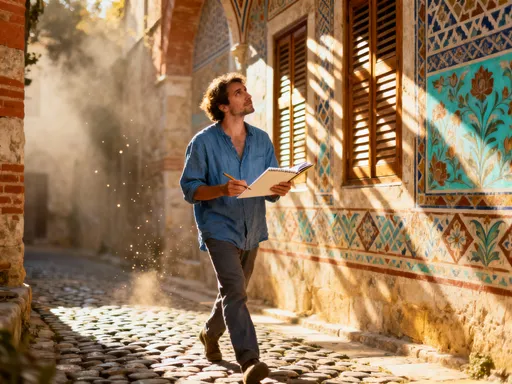
Alexandria isn’t just about ancient libraries and Mediterranean breezes—its art scene is quietly exploding. I wandered through sunlit streets and stumbled upon galleries tucked in Ottoman-era villas, open-air murals breathing life into crumbling walls, and studios where local artists blend Pharaonic motifs with modern strokes. This city doesn’t shout its creativity—it whispers, then surprises you. If you think Egypt is only pyramids and deserts, wait until you see Alexandria’s soul painted, carved, and dreamed into existence. With every step through its weathered alleys and seaside promenades, you sense a different rhythm—one shaped by tides, memory, and an enduring love for beauty. Here, art isn’t confined to museums; it lives in the pulse of daily life, waiting to be discovered by those who look closely and move slowly.
The Soul of a Seaside City: Why Alexandria’s Art Scene Feels Different
Alexandria has always been a city of layers—geographic, historical, emotional. Nestled along the northern coast of Egypt, it sits at the crossroads of Africa, the Mediterranean, and the Middle East, a convergence that has shaped not only its architecture and cuisine but also its creative spirit. Unlike Cairo, where art often pulses with urgency and urban intensity, Alexandria’s artistic expression unfolds with a quieter, more contemplative grace. The city’s art feels like a long, deep breath drawn from the sea—a blend of nostalgia, resilience, and subtle defiance. This difference isn’t accidental; it’s born from the very essence of Alexandria’s identity, one that has absorbed Greek, Roman, Ottoman, and modern Egyptian influences, each leaving a trace in its cultural DNA.
The Mediterranean light plays a crucial role in shaping this creative atmosphere. Artists frequently speak of how the quality of sunlight here—soft, silvery in the morning, golden at dusk—transforms their perception of color and form. It’s a light that doesn’t blaze like the desert sun but instead filters through sea mist, casting delicate shadows and illuminating textures in unexpected ways. Many painters time their studio hours to match these shifts, knowing that a canvas viewed at noon will appear entirely different by late afternoon. This sensitivity to natural light is not merely technical; it reflects a broader artistic philosophy in Alexandria—one rooted in observation, stillness, and emotional resonance.
Equally influential are the city’s architectural fragments—crumbling cornices, faded frescoes, and arched doorways that hint at grandeur long past. These remnants serve as silent muses, reminding artists of what has been lost and what might still be reclaimed. The juxtaposition of decay and beauty is a recurring theme in Alexandrian art, where imperfection is not hidden but celebrated. Sculptors incorporate weathered stone into their installations, while photographers capture the elegance of peeling paint and rusted ironwork. There’s a poetic honesty in this approach, a refusal to sanitize the city’s history. Instead, artists embrace its contradictions, turning signs of time’s passage into visual metaphors for memory, longing, and renewal.
This reflective mood is also shaped by Alexandria’s role as a city of exiles and returnees. For generations, it has drawn intellectuals, poets, and dreamers who found solace in its melancholy charm. The legacy of figures like Constantine Cavafy and E.M. Forster lingers in the cafés and narrow lanes, infusing the cultural atmosphere with a literary sensibility. Many contemporary artists cite these writers as indirect mentors, drawn to their ability to find profundity in the everyday. The result is an art scene that values introspection over spectacle, nuance over noise. While Cairo’s street art might command attention with bold slogans and political satire, Alexandria’s murals often whisper—offering allegories, fragmented memories, or quiet observations about the passage of time.
From Ruins to Canvases: Street Art That Tells a Story
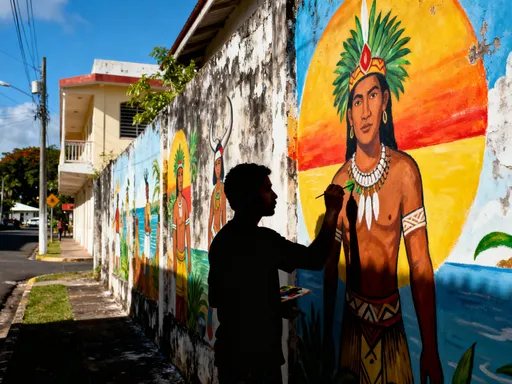
Wandering through the historic districts of El Attarine and Anfushi, one begins to notice how art has become an integral part of Alexandria’s urban fabric. These neighborhoods, once neglected and overlooked, are now alive with color and narrative. What were once blank, sun-bleached walls now serve as open-air galleries, where local artists have transformed forgotten spaces into vibrant storytelling canvases. The murals here do not merely decorate—they communicate. Each piece carries a message, whether it’s a tribute to a lost tradition, a reflection on personal identity, or a celebration of everyday life in the city. The themes are deeply rooted in Alexandria’s cultural memory, blending stylized Arabic calligraphy, Coptic symbols, Nubian patterns, and references to Alexandrian folklore.
In El Attarine, near the historic mosque of the same name, a series of large-scale murals depict scenes from daily life—a fisherman mending his net, a grandmother selling spices in the souk, children playing in a courtyard. Rendered in warm earth tones and soft blues, these images evoke a sense of continuity, suggesting that despite modern changes, the soul of the neighborhood endures. Other walls feature abstract compositions, where swirling lines of Arabic script merge with geometric motifs, creating a visual rhythm that mirrors the city’s layered history. These works are not the product of foreign graffiti artists or international collectives; they are the creations of Alexandrian residents, many of whom grew up just blocks away. Their connection to the community gives the art an authenticity that transcends aesthetics.
What makes this street art movement particularly meaningful is its grassroots nature. Without relying on government funding or corporate sponsorship, local artists and community organizers have taken initiative, turning neglected walls into spaces of dialogue and pride. In some areas, entire alleyways have been revitalized through collaborative painting projects, where neighbors—children, elders, shop owners—contribute ideas and even help with brushes. These efforts are not about gentrification or tourism; they are acts of reclamation, a way of saying that this city belongs to its people. The murals serve as both memory keepers and visionaries, preserving cultural heritage while imagining a more beautiful, inclusive future.
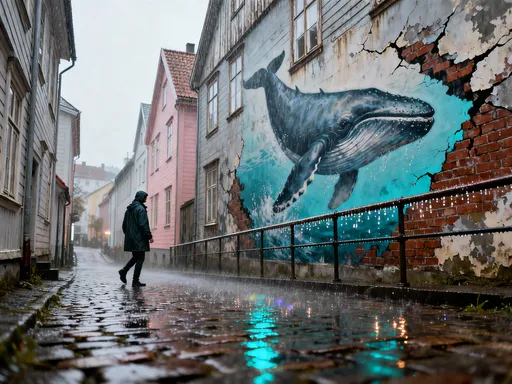
One striking example is a long wall in Anfushi that was once covered in political slogans and faded advertisements. Today, it features a panoramic mural depicting Alexandria’s skyline across different eras—from the ancient Pharos Lighthouse to the modern Bibliotheca Alexandrina. Interspersed among the buildings are figures of writers, musicians, and scientists who once called the city home, their portraits rendered in a semi-abstract style that blends realism with dreamlike distortion. The effect is not nostalgic but forward-looking, suggesting that Alexandria’s greatness lies not in its past alone, but in its ability to continuously reinvent itself through creativity. The mural has become a gathering place, where families stop to take photos and school groups come to learn about local history through art.
Galleries Off the Beaten Path: Where Creativity Lives Quietly
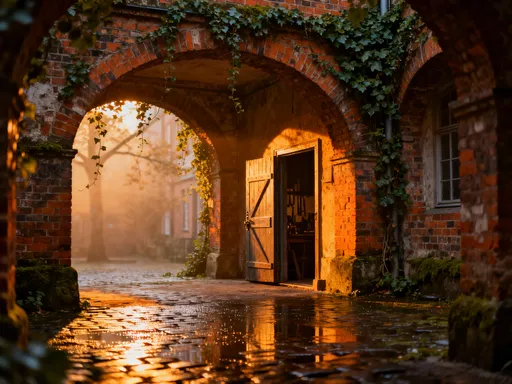
Away from the main tourist thoroughfares, hidden within restored Ottoman-era townhouses and quiet residential streets, Alexandria’s intimate galleries offer a different kind of art experience—one defined by closeness, conversation, and authenticity. These spaces are often small, sometimes no larger than a living room, yet they pulse with creative energy. Many are family-run or operated by artist collectives, functioning less as commercial enterprises and more as cultural salons. Visitors are not just observers; they are welcomed as guests, often invited to sit, share tea, and speak directly with the artists whose work surrounds them. This personal interaction transforms the act of viewing art into a shared experience, deepening the emotional connection between creator and audience.
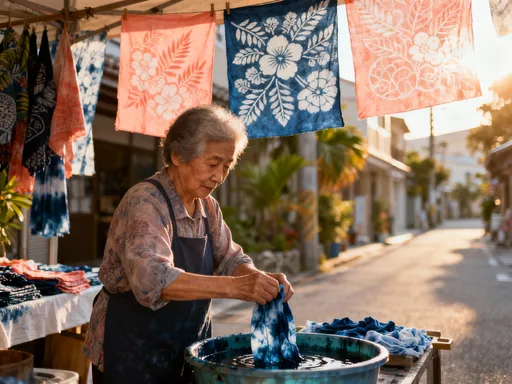
The curation in these galleries tends to favor mixed media, allowing artists to experiment beyond traditional painting or sculpture. One might encounter a woven textile piece incorporating ancient Pharaonic symbols, a ceramic installation shaped like fragmented papyri, or a series of photographs documenting the changing face of Alexandria’s waterfront. What unites these diverse works is their grounding in personal and national narratives. Artists draw from their own family histories, regional traditions, and social observations, creating pieces that feel both intimate and universal. The absence of rigid thematic constraints allows for spontaneity and risk-taking, qualities that are increasingly rare in larger, more institutional galleries.
One such gallery, nestled in a 19th-century villa with arched windows and a central courtyard, hosts rotating exhibitions that emphasize storytelling. A recent show featured a collection of hand-bound books, each containing original poetry, sketches, and pressed flowers collected from different parts of the city. The artist explained that each book represented a different neighborhood, capturing its essence through sensory fragments. Visitors were encouraged to handle the books, turning pages slowly, absorbing the textures and scents. This tactile engagement blurred the line between art and artifact, inviting a deeper form of attention. Such experiences are not designed for quick Instagram moments but for lingering, reflection, and emotional resonance.
Another distinctive feature of these off-the-beaten-path galleries is their resistance to commercialization. While some pieces are for sale, the primary goal is not profit but dialogue. Prices, when listed, are often modest, reflecting the artist’s desire to see their work enter homes rather than remain locked in storage. Some galleries operate on a donation-based model, allowing visitors to contribute what they can. This ethos fosters a sense of community and accessibility, ensuring that art remains a shared cultural resource rather than an elite commodity. For many visitors, especially women in their 30s to 50s who value meaningful experiences over material acquisition, these spaces offer a refreshing alternative to the impersonal art markets found in larger cities.
The Bibliotheca Alexandrina: More Than a Library, a Cultural Canvas
Rising from the Mediterranean shore like a tilted disc catching the sun, the Bibliotheca Alexandrina stands as both a modern architectural marvel and a living center for artistic and intellectual life. More than just a repository of books, it functions as a dynamic cultural hub, hosting exhibitions, performances, workshops, and artist residencies that draw creators from across Egypt and beyond. Its vast public spaces are dotted with sculptures and installations, turning the entire complex into an open-air gallery. A bronze statue of a scribe sits in quiet contemplation near the entrance, while abstract metal forms echo the movement of waves along the waterfront promenade. These artistic elements are not mere decoration; they are integral to the library’s mission of reviving Alexandria’s legacy as a global center of knowledge and creativity.
The building itself is a work of art, its circular form and angled roof designed to symbolize the sun rising over the water—a nod to the ancient Lighthouse of Alexandria. Natural light floods the interior through a dramatic skylight, shifting throughout the day and casting ever-changing patterns on the stone floors. This interplay of light and space influences the way art is displayed within the library’s galleries. Curators take advantage of the natural illumination, arranging exhibitions so that shadows and brightness become part of the viewing experience. Temporary shows rotate regularly, featuring everything from classical Islamic calligraphy to contemporary digital art, ensuring that there is always something new to discover.
One of the library’s most impactful contributions to the local art scene is its support for emerging artists. Through grants, fellowships, and residency programs, it provides young creators with studio space, materials, and mentorship opportunities. These initiatives are especially valuable in a country where independent artists often struggle to find institutional backing. Many participants use the residency period to develop projects inspired by Alexandria’s history, conducting research in the library’s archives or engaging with visiting scholars. The resulting works are frequently exhibited on-site, creating a direct link between scholarship and artistic expression. This synergy reinforces the idea that art and knowledge are not separate domains but interconnected forms of understanding.
The Bibliotheca also hosts public art workshops that invite community participation. Families, students, and retirees have all taken part in collaborative projects, such as creating large-scale mosaics or designing eco-friendly installations using recycled materials. These events foster intergenerational exchange and empower individuals to see themselves as contributors to the city’s cultural life. For many women in the 30–55 age group, who often balance family responsibilities with personal interests, these workshops offer a rare space for creative expression and social connection. The library’s inclusive approach ensures that art is not reserved for experts but is accessible to anyone with curiosity and a willingness to engage.
Artist Studios by the Sea: A Glimpse Into the Creative Process
Along Alexandria’s Corniche, where the Mediterranean breeze carries the scent of salt and jasmine, a number of artists have set up studios in modest apartments, converted garages, or repurposed fishing huts. These spaces, often just steps from the water, are raw and unpolished—floors stained with paint, shelves cluttered with half-finished sculptures, canvases leaning against walls as if waiting for the next stroke. There is no pretense here, no attempt to create a curated image of the artist’s life. Instead, these studios offer an honest look at the creative process—messy, meditative, and deeply personal. To visit one is to witness art in its most vulnerable state, not as a finished product but as an ongoing conversation between the artist and their materials.
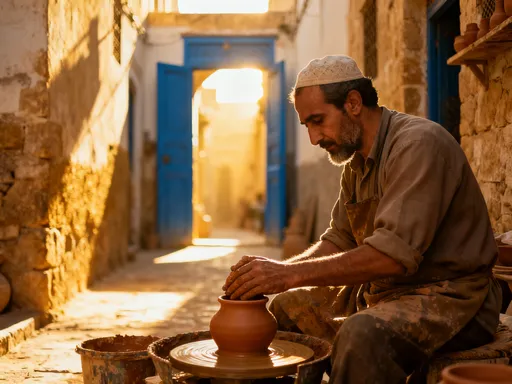
Take the example of a ceramicist who has worked in the same seaside studio for over fifteen years. Her shelves are filled with delicate clay forms—vases shaped like lotus blossoms, bowls etched with hieroglyphic-inspired patterns, small sculptures resembling ancient deities reimagined with modern expressions. She works without music, preferring the sound of waves and the occasional cry of seagulls. For her, the rhythm of the sea dictates the pace of creation. On stormy days, her pieces tend to be bolder, with sharper lines and deeper textures. In calmer weather, her work becomes more refined, almost fragile. She describes her process as a form of listening—attuning herself to the environment, to memory, to the silent stories embedded in the clay.
Similarly, a painter working nearby uses the changing light as both inspiration and guide. His large windows face west, allowing him to observe the sunset across the water, a daily spectacle that shifts in color and intensity with the seasons. He begins each session by sitting in silence for ten minutes, absorbing the view before picking up his brush. His canvases are layered with translucent washes of blue, gray, and gold, building depth through repetition and patience. He avoids rigid outlines, preferring to let forms emerge organically, much like the city itself—shaped by time, erosion, and quiet transformation. Visitors who come by appointment often leave feeling as though they’ve stepped into a meditative space, one that slows down time and invites introspection.
These studios are not open to the public on a regular basis, but many artists welcome small groups by arrangement, especially those who express genuine interest in their work. For visitors, the experience is profoundly different from walking through a gallery. Here, there are no plaques or price tags—just the artist, their tools, and the work in progress. Conversations unfold naturally, touching on technique, inspiration, and the challenges of sustaining a creative life in a rapidly changing city. For women who value authenticity and emotional depth, these encounters offer a rare opportunity to connect with art on a human level, beyond aesthetics or status.
Public Art and Urban Revival: How Creativity Is Rewriting the City
Alexandria’s artistic revival is not confined to galleries and studios—it is spilling into the streets, reshaping the city’s public spaces in subtle but powerful ways. Mosaic benches appear in small parks, their tiles arranged in patterns that echo ancient Greco-Roman designs. Tram stops are adorned with painted panels depicting maritime scenes or poetic verses in Arabic script. Even the pavement tells stories, with short lines of poetry etched into stone near pedestrian crossings. These interventions are small in scale but significant in impact, transforming mundane urban elements into moments of beauty and reflection. They suggest a city that cares about its aesthetic soul, that believes even the most ordinary spaces can carry meaning.
This integration of art into urban infrastructure is part of a broader movement to reclaim public life in Alexandria. For decades, many communal spaces fell into disrepair, neglected by authorities and avoided by residents. But through collaborative efforts between artists, local organizations, and municipal planners, these areas are being reimagined. Abandoned lots have become pocket gardens with sculptural installations; old kiosks have been repainted with vibrant murals; neglected staircases leading down to the sea now feature hand-painted tiles with nautical motifs. Each project, no matter how small, contributes to a growing sense of civic pride. Residents begin to see their neighborhoods not as places to escape but as spaces worth investing in, both emotionally and physically.
Seasonal events further strengthen this connection between art and community. Every spring, the city hosts a series of open studio nights, where artists across different districts welcome the public into their workspaces. These evenings are not formal affairs but relaxed gatherings, often accompanied by live music, poetry readings, and homemade refreshments. Families stroll from one studio to the next, children sketching in notebooks, elders sharing stories about how the city has changed. Another popular event is the Coastal Art Walk, a self-guided tour that connects murals, sculptures, and temporary installations along the Corniche. Brochures are distributed at local cafés and libraries, encouraging both residents and visitors to explore at their own pace. These events do more than promote art—they build bridges between people, fostering a shared sense of belonging.
What makes these urban art initiatives particularly effective is their emphasis on sustainability and local ownership. Materials are often sourced from recycled or natural elements—broken ceramics, driftwood, discarded metal—to minimize environmental impact and honor traditional craftsmanship. Designs are created in consultation with neighborhood residents, ensuring that the artwork reflects the community’s identity rather than imposing an external vision. This participatory approach empowers citizens to become co-creators of their city’s aesthetic, reinforcing the idea that beauty is not a luxury but a collective responsibility. For women who care deeply about family, community, and legacy, these efforts resonate on a profound level, offering hope that positive change is possible through patience, collaboration, and care.
How to Experience Alexandria’s Art Spaces Like a Local
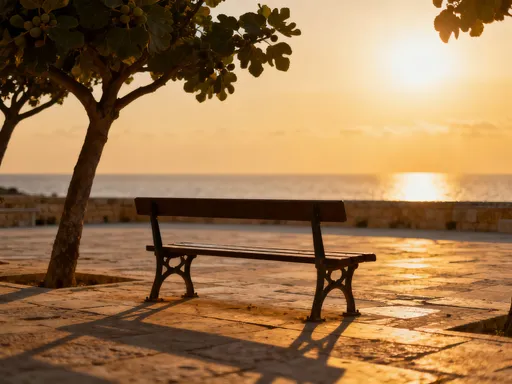
To truly appreciate Alexandria’s art scene, one must slow down. This is not a city to be rushed through, checked off a list, or photographed from a tour bus. The most meaningful encounters happen when you allow yourself to wander without a strict agenda, to pause at a painted doorway, to accept an invitation for tea from a gallery owner, or to sit quietly on a mosaic bench and watch the light shift across the sea. The best times to explore are early morning or late afternoon, when the sun is soft and the streets are less crowded. Weekdays tend to be quieter, offering more opportunities for conversation with artists and curators who are often present during off-peak hours.
Finding the unofficial studios and hidden galleries requires a bit of curiosity and openness. While some spaces are listed in cultural guides, others are known only through word of mouth. Don’t hesitate to ask questions at local cafés, bookshops, or even juice stands—many residents are proud of their city’s creative renaissance and happy to point you in the right direction. When visiting studios or small galleries, it’s customary to greet the host, engage in brief conversation, and express genuine interest in the work. Photography is generally welcomed, but always ask permission before taking pictures, especially if people are present or the space is private. Avoid touching artwork unless invited, and remember that these are working environments, not museums.
Enhance your experience by combining art exploration with simple pleasures. Stop at a traditional mahfil for strong mint tea and a plate of dates. Pick up a fresh pomegranate juice from a harbor vendor and sip it while watching fishermen mend their nets. These moments of pause are not distractions—they are part of the journey, grounding the artistic experience in the rhythm of daily life. Consider visiting during one of the seasonal art events, when the city’s creative energy is most visible and accessible. And above all, resist the urge to document everything. Some moments—like the sound of waves outside a seaside studio or the warmth of a conversation with an artist—are meant to be felt, not captured.
For women who seek meaningful travel experiences—those that nourish the spirit, expand the mind, and connect them to authentic human stories—Alexandria offers a rare gift. Its art spaces are not about spectacle or status. They are invitations to witness resilience, to appreciate quiet beauty, and to remember that creativity thrives even in the most unexpected places. By moving slowly, listening closely, and engaging with openness, you allow the city to reveal itself not as a destination, but as a living, breathing work of art.
Alexandria’s art spaces aren’t just places to see—they’re invitations to feel. They don’t announce themselves with neon signs but unfold quietly, like pages in a well-worn journal. To explore them is to witness a city reimagining itself, not through grand gestures, but through brushstrokes, carvings, and whispered stories on the wind. This is art not as spectacle, but as soul.