You Won’t Believe What I Found in Stavanger’s Hidden Art Corners
Stavanger, Norway, isn’t just about oil rigs and fjords—it’s a quietly thriving hub of art and soul. I spent two weeks there moving slow, wandering alleyways, and stumbling upon galleries tucked in old warehouses. What I discovered was unexpected: a city where creativity breathes through every brick. If you're craving authentic, off-the-beaten-path art experiences, this is your sign to go. The charm of Stavanger lies not in grand monuments or crowded tourist circuits, but in its subtle transformation from an industrial port into a living canvas. Every corner holds a story, every mural a whisper of local life. This is not a city that shouts; it speaks in quiet brushstrokes and thoughtful installations, inviting those who listen closely to step inside its artistic pulse.
Why Stavanger? The Allure of Slow Travel in a Quiet Norwegian City
At first glance, Stavanger might seem like an unlikely candidate for an art-centered journey. Nestled on Norway’s southwest coast, it has long been known as the country’s energy capital, home to offshore oil operations and maritime industry. Yet beneath this practical exterior lies a cultural heartbeat that has grown steadily over the past two decades. What makes Stavanger special is not its size or fame, but its rhythm—one that aligns perfectly with the principles of slow travel. Unlike bustling capitals where sightseeing feels like a race, Stavanger invites you to walk, pause, and observe. Its compact city center, historic neighborhoods, and proximity to nature create an environment where time slows down, allowing deeper engagement with place and people.
Slow travel is more than a trend; it's a mindset. It means setting aside itineraries packed with checkmarks and instead embracing curiosity, spontaneity, and presence. In Stavanger, this approach reveals layers often missed by the hurried visitor. You might find yourself lingering over coffee at a sunlit café in Vågen harbor, watching fishermen unload their morning catch while a street musician plays softly nearby. Or you may wander through cobblestone lanes in Gamle Stavanger, the best-preserved wooden house district in Norway, where each pastel-colored cottage seems to hum with history. These moments aren’t distractions—they’re integral to the experience, creating space for unexpected discoveries.
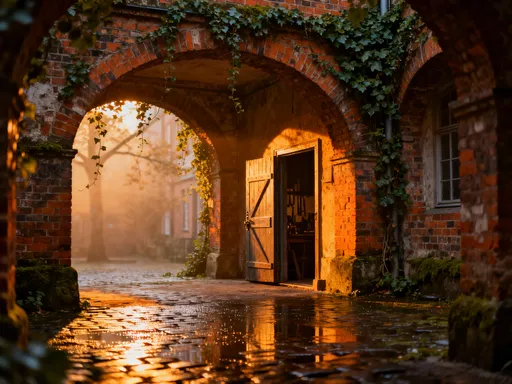
The city’s manageable scale enhances this sense of immersion. Most galleries, studios, and public art installations are within walking distance of one another, encouraging exploration on foot. There’s no need to rush between subway stops or navigate complex transit systems. Instead, you move at a human pace, noticing small details: a hand-painted sign on a gallery door, ivy climbing an old brick wall, the scent of fresh bread drifting from a corner bakery. This unhurried rhythm allows art to emerge not just in formal spaces, but in everyday life—in conversations with locals, in the design of public benches, in the colors used to repaint a neighborhood façade. Stavanger proves that true cultural richness doesn’t require spectacle; it flourishes in stillness and attention.
From Oil to Oil Paints: The City’s Transformation into an Art Haven
Stavanger’s evolution from an industrial stronghold to a cultural destination is both remarkable and intentional. For decades, the city thrived on Norway’s offshore oil industry, shaping its identity around energy, engineering, and economic resilience. While that legacy remains visible in the harbor and skyline, a quieter revolution has taken root—one driven by creativity, community, and urban renewal. Over the past 20 years, city planners, local artists, and civic leaders have worked together to repurpose underused spaces, invest in cultural infrastructure, and foster a vibrant arts scene that reflects both Norwegian heritage and contemporary expression.
One of the most visible signs of this transformation is the adaptive reuse of historic buildings. Old warehouses along the harbor, once used for fish storage or equipment repair, now house artist studios, exhibition spaces, and creative workshops. The conversion of these structures preserves the city’s architectural character while breathing new life into forgotten corners. Projects like these are supported by municipal grants and cultural development programs that prioritize sustainability and local engagement. Rather than importing flashy international brands or generic commercial galleries, Stavanger has chosen a more organic path—nurturing homegrown talent and inviting international artists to collaborate within a distinctly Norwegian context.
Public support for the arts is evident in the city’s calendar of events and long-term planning. Annual festivals such as the Stavanger International Chamber Music Festival and the NuArt Festival—a major street art event—draw visitors from across Europe while remaining deeply rooted in community participation. Schools, libraries, and public squares regularly host performances, installations, and interactive projects that make art accessible to all. This inclusive approach ensures that culture isn’t confined to elite institutions but woven into the fabric of daily life. International artists are welcomed not as outsiders, but as contributors to an ongoing dialogue about place, identity, and expression.
What sets Stavanger apart is its ability to reinvent without erasing. The city hasn’t abandoned its industrial roots; instead, it has integrated them into its artistic narrative. Sculptures made from reclaimed metal stand beside modernist paintings in open-air exhibitions. Former oil workers have taken up painting, photography, and sculpture, bringing a grounded, working-class perspective to their work. This fusion of past and present creates a uniquely authentic cultural atmosphere—one that feels earned, not manufactured. Stavanger shows that transformation doesn’t require demolition; it can begin with a fresh coat of paint, a new purpose, and a shared vision.
Street Art That Speaks: Following the Murals of Old Stavanger
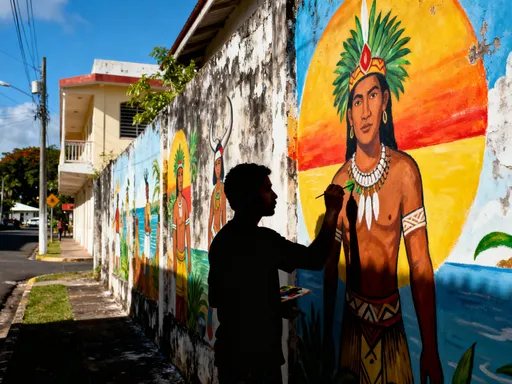
While many cities boast street art, few integrate it so thoughtfully into their historic landscape as Stavanger. In the heart of Gamle Stavanger—the 18th- and 19th-century wooden house district—large-scale murals appear like quiet revelations around narrow alleyways and hidden courtyards. These works don’t clash with the old architecture; they converse with it. A vibrant depiction of a herring girl from the 1800s might gaze down from a gabled roof, her eyes reflecting both nostalgia and resilience. Elsewhere, abstract patterns echo the ripples of the nearby sea, blending natural inspiration with modern technique. This harmony between old and new is no accident—it’s the result of careful curation and deep respect for context.
The NuArt Festival plays a central role in shaping the city’s street art identity. Each September, international and Norwegian artists descend on Stavanger to create temporary and permanent installations throughout the city. Unlike festivals that focus solely on spectacle, NuArt emphasizes dialogue, experimentation, and community involvement. Some pieces are painted live in front of audiences, allowing passersby to witness the creative process unfold. Others emerge overnight, transforming blank walls into powerful visual statements. Themes often reflect environmental concerns, social justice, or personal narratives, giving the artwork emotional depth beyond aesthetic appeal.
For visitors, exploring these murals becomes a form of urban storytelling. One recommended route begins at Vågen harbor, where a striking piece by a Norwegian artist depicts a giant cod leaping from the water, symbolizing the city’s fishing heritage. From there, a short walk leads into Øvre Strandgate, where a series of alleys reveal hidden gems: a surreal portrait of a woman with antlers, a child flying a kite shaped like a Viking ship, a geometric explosion of color on the side of a former bakery. These discoveries feel personal, almost secret—like finding a poem scribbled on the back of an old letter.
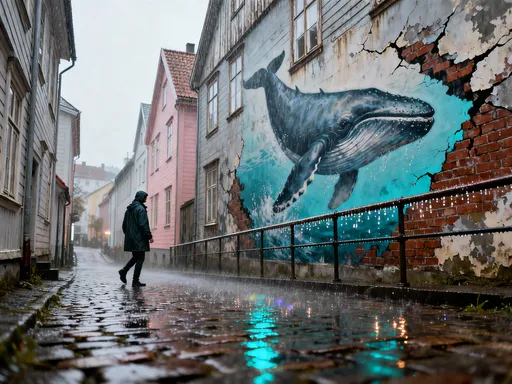
Photographers and art lovers alike will appreciate the interplay of light and texture in these works. Early morning and late afternoon offer the best conditions, when the low sun casts long shadows across the wooden façades and illuminates the fine details of spray-painted strokes. Even in the rain—a frequent visitor to this coastal city—the murals retain their impact, the colors deepening like wet ink on paper. What makes this street art scene truly special is its impermanence. Some pieces last for years; others fade or are painted over, making each visit a unique experience. There’s poetry in that—art that breathes, changes, and eventually returns to the wall.
Beyond the Canvas: Unconventional Art Spaces You Can’t Google
Some of the most memorable artistic experiences in Stavanger aren’t found in guidebooks or on maps. They exist in liminal spaces—forgotten cellars, vacant shops, community gardens—transformed temporarily into intimate venues for creative expression. These unofficial galleries thrive on spontaneity and local connection, often announced only through word of mouth, hand-drawn posters, or social media whispers. Finding them requires openness, a bit of luck, and a willingness to engage with the city beyond its polished surface.
One such discovery happened on a rainy Tuesday afternoon in the Søm neighborhood. Following a chalk-drawn arrow pointing toward “Kunst i Kjelleren” (Art in the Basement), I descended a narrow staircase behind a former grocery store and entered a low-ceilinged cellar filled with small sculptures made from driftwood and recycled glass. The artist, a retired schoolteacher named Ingrid, stood quietly in the corner, offering tea and stories about how the sea had inspired her late-in-life artistic journey. There were no price tags, no guestbooks—just a space for sharing. Moments like this remind you that art is not always about consumption; sometimes, it’s about presence.
Another unexpected venue is a repurposed fish market in the Jåttå district, where a collective of young artists hosts monthly pop-up exhibitions. The space still carries the faint scent of salt and seaweed, and the original wooden stalls now display paintings, textiles, and ceramic pieces. During one visit, I watched a live weaving demonstration using traditional Norwegian patterns adapted into modern designs. Visitors sipped herbal tea and chatted with the makers, blurring the line between audience and creator. These grassroots initiatives thrive because they’re community-driven—funded by small grants, volunteer effort, and local donations rather than corporate sponsorship.
Even public green spaces have become stages for creativity. In a neighborhood garden near Forus, I encountered a temporary sound installation: a series of wind-activated chimes hung from apple trees, their tones shifting with the breeze. A nearby sign invited visitors to leave handwritten notes about what peace meant to them. These reflections were later compiled into a poetry chapbook distributed at a local library. Such projects emphasize participation, emotion, and impermanence—values often missing in mainstream art institutions. To find these spaces, talk to baristas, librarians, or bookstore owners. Ask, “Where is something interesting happening this week?” More often than not, someone will point you toward a doorway you’d otherwise have walked past.
Museums with a Pulse: Where Tradition Meets Contemporary Vision
While Stavanger’s unofficial art spaces offer intimacy and surprise, its established institutions provide depth and continuity. The Stavanger Art Museum, located in a striking modern building surrounded by sculpture gardens, serves as the city’s cultural anchor. Its collection spans centuries, with a strong focus on Norwegian and Nordic artists. Works range from 19th-century romantic landscapes depicting fjords and northern light to bold contemporary pieces exploring identity, climate change, and technology. What distinguishes the museum is its curation—not as a static archive, but as a living conversation between past and present.
Rotating exhibitions frequently spotlight emerging Norwegian talent, giving visitors a window into the current artistic pulse. One recent showcase featured a series of large-scale textile works by a Sámi artist, combining traditional duodji (handicraft) techniques with modern political commentary. Another highlighted digital art created in response to the melting Arctic ice, using real-time data to generate evolving visual patterns. These exhibitions don’t just display art—they invite reflection, often accompanied by reading nooks, listening stations, and quiet contemplation areas designed to slow the viewer down.
The museum’s atmosphere contrasts sharply with the frenetic energy of major European art capitals. There are no long lines, no crowds pressing forward through narrow galleries. Instead, you can spend twenty minutes with a single painting, reading about its context, imagining the artist’s process, and simply sitting with it. Families, older couples, and solo visitors move at their own pace, often pausing to sketch in notebooks or discuss pieces in hushed tones. This calm environment enhances engagement, making art feel accessible rather than intimidating.
Outside the main building, the sculpture park extends the experience into nature. Winding paths lead past bronze figures emerging from ferns, abstract steel forms reflecting in a still pond, and a stone installation that changes appearance with the seasons. Benches are thoughtfully placed, encouraging rest and observation. For parents visiting with children, interactive elements—like a sound sculpture activated by clapping or a maze made of living willow—add playful discovery to the journey. The museum doesn’t seek to overwhelm; it seeks to invite. In doing so, it embodies the same values that define Stavanger’s broader artistic ethos: patience, authenticity, and connection.
The Artist’s Daily Rhythm: Joining Workshops and Studio Visits
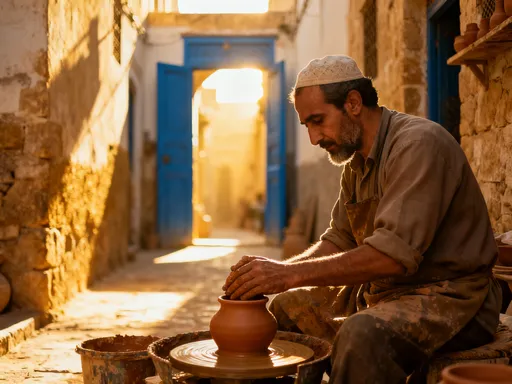
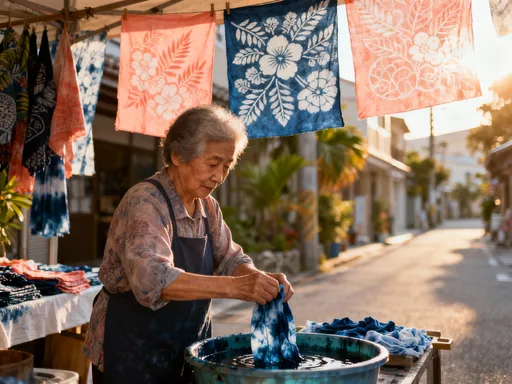
One of the most rewarding ways to experience Stavanger’s art scene is to participate in it. Throughout the year, local studios and cultural centers offer hands-on workshops open to visitors of all skill levels. These sessions go beyond casual crafts—they’re immersive experiences led by practicing artists who share not only techniques but also philosophies, inspirations, and daily routines. Whether you’re shaping clay on a potter’s wheel, learning traditional printmaking methods, or experimenting with natural dyes in textile art, these activities foster a deeper understanding of the creative process.
I joined a weekend ceramics workshop hosted in a converted boathouse on the outskirts of town. The instructor, a ceramicist named Lars who had studied in Copenhagen and Berlin before returning to his hometown, emphasized mindfulness in making. “It’s not about the final object,” he said, “but the rhythm of your hands, the pressure of your fingers, the way the clay responds.” The group—six women from different countries—worked in silence for long stretches, broken only by the soft hum of music and the occasional clink of tools. By the end, we hadn’t produced masterpieces, but we had created something honest, something born of attention and care.
Studio visits offer another layer of connection. During the annual Open Studio Weekend, dozens of artists across Stavanger open their private workspaces to the public. You can watch a painter mix pigments from local minerals, see a sculptor weld metal in a backyard shed, or sip coffee while a textile artist explains the symbolism in her latest tapestry. These encounters demystify art-making, revealing the discipline, doubt, and joy behind each piece. Many artists welcome questions, and some even invite visitors to try a small task—stirring a dye bath, sanding a wooden frame, or placing a single stitch in a communal embroidery project.
Community art events, especially during cultural weeks in spring and autumn, further blur the line between creator and observer. A recent festival in the city center featured a “collective canvas” project, where passersby were invited to add one brushstroke to a growing mural. Over three days, the painting evolved from a blank surface into a vibrant mosaic of colors and intentions. No one knew what it would become—only that they had contributed to its life. These participatory experiences remind us that art isn’t reserved for experts or elites. It’s a shared language, accessible to anyone willing to listen, look, or try.
How to Experience Stavanger’s Art Scene Like a Local (Without Trying Too Hard)
Experiencing Stavanger’s art scene authentically doesn’t require an art degree or a packed schedule. It begins with presence—slowing down, staying curious, and staying open. The best time to visit is late spring through early autumn, when daylight stretches into the evening, outdoor installations are accessible, and cultural events are most frequent. September, in particular, offers a rich calendar with the NuArt Festival, gallery openings, and studio tours. But even in winter, the city’s creative spirit remains alive in cozy cafés, library exhibitions, and small-group workshops.
For accommodations, consider staying in the city center or the quiet neighborhood of Eiganes. Both areas offer excellent walkability, with easy access to galleries, street art routes, and cultural venues. Renting an apartment with a kitchen allows for a more local rhythm—shopping at farmers’ markets, cooking simple meals, and returning to favorite spots at different times of day. Avoid the temptation to over-plan. Instead, pick a general direction—say, “I’ll explore east from the cathedral today”—and let the day unfold.
To stay informed, check bulletin boards at coffee shops like Kafé Lido or the central library, where flyers for small exhibitions and artist talks are often posted. Local newspapers and radio stations highlight upcoming cultural events, and the city’s official tourism website maintains an updated calendar. While there are no dedicated art apps specific to Stavanger, following local galleries and collectives on social media can yield timely updates about pop-ups and open studios.
When visiting small studios or private exhibitions, remember that etiquette matters. Speak softly, ask before photographing, and respect “do not touch” signs. If an artist is present, a simple compliment or question can open a meaningful conversation. And if you’re invited to join a workshop or community project, embrace it—not to produce something perfect, but to connect. Finally, consider bringing a small notebook. Sketching a mural, jotting down a quote from an artist, or recording your impressions deepens the experience and creates a personal archive of your journey. In Stavanger, art isn’t something you merely see. It’s something you live.
Conclusion: Why Art-Fueled Slow Travel Matters
Stavanger taught me that art is not just something we look at—it’s something we move through, breathe with, and become part of. In its quiet corners, I didn’t just see paintings or murals; I felt a city remembering itself, reinventing itself, and inviting others to witness the process. This kind of travel—rooted in slowness, authenticity, and emotional resonance—offers a powerful antidote to the fatigue of modern tourism. It reminds us that the most meaningful journeys aren’t measured in miles or checklists, but in moments of connection: with a handmade sculpture, a shared cup of tea, a mural that makes you stop and wonder.
More than just a destination, Stavanger exemplifies how cities can evolve without losing their soul. It hasn’t erased its industrial past; it has painted over it with care, creativity, and community. In doing so, it offers a model for other towns seeking cultural renewal—not through grand gestures, but through small, sustained acts of imagination. For travelers, especially those in midlife seeking depth and meaning, this kind of place is a gift. It invites introspection, inspires creativity, and renews faith in the quiet power of human expression.
So if you’re feeling worn thin by crowded attractions and rushed itineraries, consider this: there are cities that don’t clamor for your attention, but wait for you to notice. Stavanger is one of them. Walk its lanes with no agenda. Let a color catch your eye. Follow a sound. Say hello to someone shaping clay or hanging a painting. In the quiet corners of Stavanger, I didn’t just see art—I felt it breathe.