Lost in the Lanes of Istanbul, One Sip of Salep at a Time
Wandering through Istanbul isn’t just about ticking off landmarks—it’s about stumbling upon warmth in unexpected places. I didn’t come for grand palaces, but for the quiet magic in a steaming cup of salep from a corner vendor, or the scent of simit fresh off the barge. This city reveals itself slowly, through small treasures found while getting gloriously lost. And honestly? Its true souvenirs aren’t bought—they’re lived. Every narrow alley, every call to prayer echoing over rooftops, every shared smile with a shopkeeper adds a quiet layer to the soul of the traveler. Istanbul is not a checklist. It’s a feeling, built over time, through rhythm and repetition, through tea sipped slowly and steps taken without urgency.
The Art of Aimless Wandering in a Crossroads City
Istanbul exists at the meeting point of continents, cultures, and centuries. It is a city where East and West do not merely brush against each other—they live together, breathe together, and sometimes even argue over tea. This unique convergence shapes its rhythm: a pace that is both hurried and unhurried, modern yet deeply rooted in tradition. To truly know Istanbul, one must embrace the Turkish concept of gezi—the art of wandering without destination. It is not laziness, nor is it aimlessness in the negative sense. Rather, it is a deliberate choice to let go of rigid itineraries and allow the city to reveal itself on its own terms.
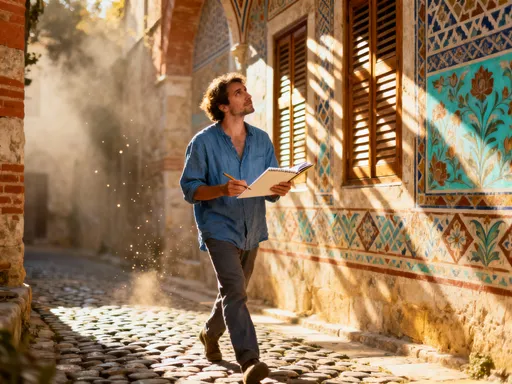
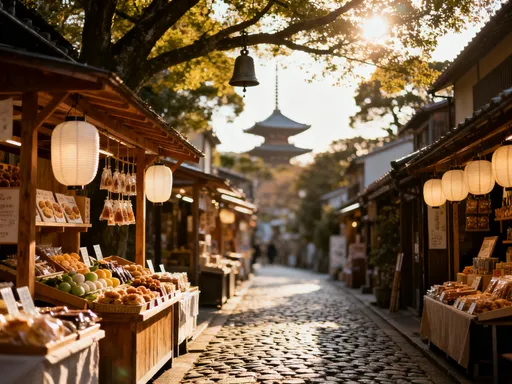
Begin in Eminönü, where ferries glide across the Golden Horn like silent barges of time. Step off the tram and resist the urge to pull out a map. Instead, follow the scent of roasted chestnuts or the sound of a street musician’s saz. Let your feet carry you up the cobbled incline toward Karaköy, where old stone buildings lean into each other like friends sharing secrets. Along the way, you’ll pass spice vendors arranging pyramids of sumac and paprika, their colors glowing like jewels in the morning light. You might stumble upon a tucked-away bookstall, its shelves crammed with yellowed novels, vintage postcards, and dog-eared poetry collections in Ottoman script.
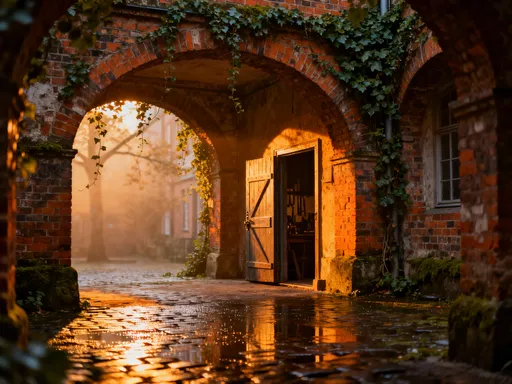
These unplanned discoveries are not distractions—they are the essence of Istanbul. The city does not yield its soul to those who rush. It rewards patience, curiosity, and a willingness to get gloriously lost. A wrong turn might lead you to a sunlit courtyard where an elderly man waters geraniums in clay pots. A detour could bring you to a tiny café where men play backgammon with quiet intensity, their dice clacking like a heartbeat. These moments cannot be scheduled, but they linger far longer than any guided tour. In letting go of control, the traveler gains something more valuable: connection.
Modern travel often emphasizes efficiency—how many sites can be seen in a day, how quickly a photo can be snapped and posted. But in Istanbul, the real luxury is time. The luxury of standing still. Of watching light shift across the water. Of accepting a cup of tea from a shopkeeper who asks for nothing in return. To wander without purpose is not a waste of time; it is an act of respect for a city that moves to its own rhythm. And in that stillness, you begin to hear the whispers of history, tradition, and everyday life that make Istanbul not just a place to visit, but a place to remember.
Morning Rituals: Simit, Tea, and the Pulse of the Streets
In Istanbul, the day begins not with coffee, but with simit and tea—a humble pairing that speaks volumes about the city’s spirit. The simit, a circular bread encrusted with sesame seeds, is more than a snack; it is a symbol of daily life, sold from wooden carts on nearly every corner. Its crust crackles under the teeth, giving way to a soft, slightly chewy interior that carries the warmth of the oven. Paired with a tulip-shaped glass of strong black tea, it forms the foundation of Istanbul’s morning ritual—one that locals cherish and visitors can easily join.
Watch any street in the early hours, and you’ll see the rhythm unfold. Bakers pull fresh batches from wood-fired ovens before dawn, stacking them high on trays carried through narrow lanes. Vendors set up their carts near tram stops, ferry terminals, and bridge entrances, their simits wrapped in paper to keep them warm. Office workers, students, and fishermen alike stop to buy one, breaking it apart as they walk. Some dip it into their tea, a practice that might seem unusual to outsiders but is a beloved tradition among locals. The tea, brewed strong in a double teapot and served with just the right balance of bitterness and warmth, is not merely a drink—it is a gesture of hospitality, offered freely in homes, shops, and even strangers’ doorways.
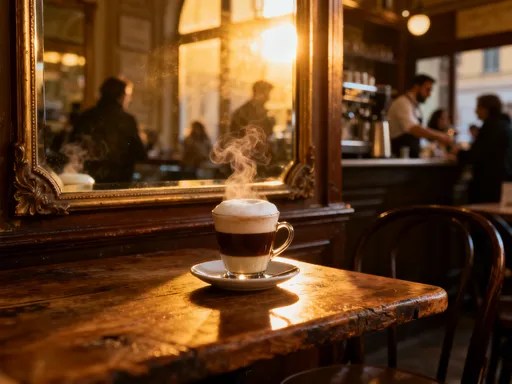
For the traveler, participating in this ritual is one of the simplest yet most meaningful ways to connect with the city. Sit on a bench along the Bosphorus as the sun rises over the Asian shore. Buy a simit from a vendor who nods in quiet acknowledgment. Sip your tea slowly, watching the ferries cut through the mist. In that moment, you are not a tourist. You are part of the pulse. There is no need to rush to the next attraction. This—this stillness, this warmth—is the real Istanbul.
And while simit is found everywhere, some places are known for their exceptional quality. In neighborhoods like Kadıköy and Beşiktaş, family-run bakeries have been perfecting the craft for generations. Their simits are baked just a few times a day, ensuring freshness and flavor that mass-produced versions cannot match. Even better, these bakeries often welcome visitors to watch the process—the dough twisted by hand, the sesame seeds applied with care, the bread baked until golden. To witness this is to understand that in Istanbul, even the simplest things are made with intention.
Beneath the Grand Bazaar: Hidden Workshops and Handcrafted Wonders
The Grand Bazaar draws millions each year with its glittering lanterns, colorful carpets, and endless rows of souvenirs. But beyond the tourist lanes, in the quieter corners and narrow side streets, lies a different world—one where craftsmanship is not a performance, but a way of life. Here, artisans work in small, dimly lit workshops, their hands moving with the precision of generations. These are not shops designed for Instagram; they are places of devotion, where copper is forged, glass is blown, and kilims are woven thread by thread.
Take, for example, the lamp makers of Çukurcuma. In tiny studios tucked behind antique shops, families craft ornate brass and glass lanterns using techniques passed down for over a century. Each piece is assembled by hand, the glass cut and painted with delicate floral patterns, the metal frames forged and polished until they gleam. To enter one of these workshops is to step into a living museum. The air smells of hot metal and beeswax. The sound of hammers tapping echoes like a heartbeat. And the owner, often an elderly craftsman with ink-stained fingers, will offer tea while explaining the history behind a particular design.
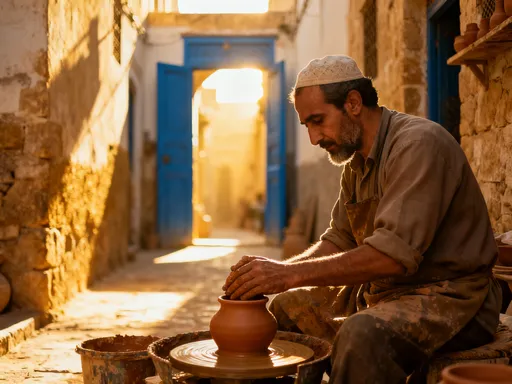
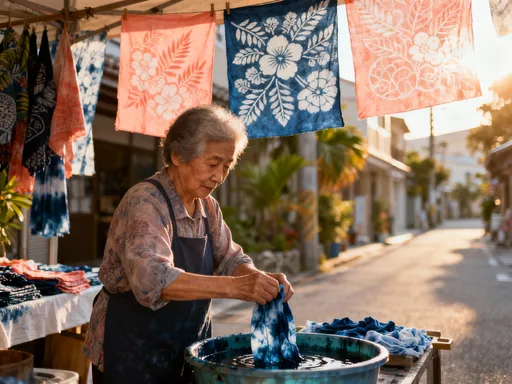
Similarly, in the backstreets of Fatih, potters shape clay on spinning wheels, creating ceramic tiles and dishes painted with the same cobalt blues and emerald greens that once adorned Ottoman palaces. These artisans do not seek fame or viral attention. They work because they must—because the craft is part of their identity. And yet, their survival is increasingly fragile. Mass-produced imitations flood the market, undercutting prices and eroding demand for authentic work. To buy from these makers is not just to acquire a beautiful object; it is to support a legacy.
For the thoughtful traveler, seeking out these hidden workshops transforms shopping into something meaningful. A hand-blown glass vase, a hand-forged copper bowl, a kilim woven with natural dyes—each carries a story. And when you bring one home, you are not merely displaying decor; you are preserving a piece of Istanbul’s soul. These are the souvenirs that matter: not because they are expensive, but because they are real.
The Warmth of Winter: Why Salep Is More Than Just a Drink
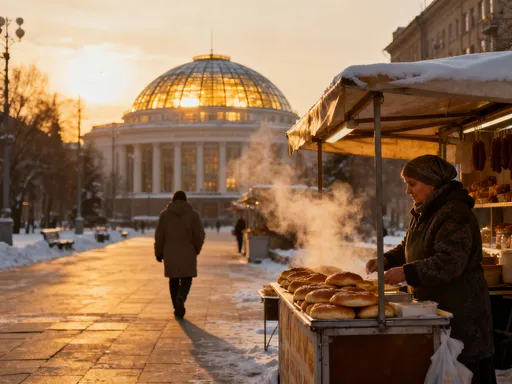
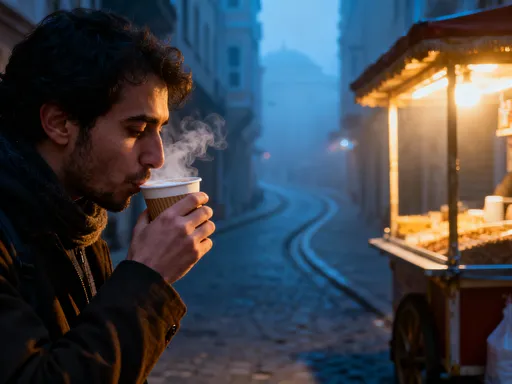
As dusk falls and the air turns crisp, a familiar cry echoes through Istanbul’s backstreets: “Sıcak salep!” From portable stoves set up on street corners, elderly vendors stir large copper pots of this creamy, fragrant drink, ladling it into paper cups and dusting it with cinnamon. For generations, salep has been a winter ritual—a warm embrace in a cup, shared between friends, lovers, and strangers alike. But beyond its comforting taste, salep carries a deeper significance. It is a living thread to Istanbul’s past, a tradition that is slowly fading in the face of modernization.
Salep is made from the tubers of wild orchids, ground into a fine flour and mixed with milk, sugar, and vanilla. Its texture is rich and velvety, almost pudding-like, warming the hands and the spirit. The drink has roots in Ottoman cuisine and was once a luxury enjoyed by sultans. Today, it is a humble pleasure, sold by vendors who often work the same corner for decades. Many are elderly, their faces lined with years of winter winds, their hands steady despite the cold. They do not sell through apps or digital menus. They sell with presence, with a nod, with a quiet dignity.
Yet the tradition is under threat. Wild orchid harvesting is now regulated due to environmental concerns, and synthetic versions of salep flour have replaced the authentic ingredient in many commercial preparations. What remains of the true craft is kept alive by a dwindling number of vendors who still use traditional methods. To find them, one must wander beyond the tourist centers, into neighborhoods like Balat, Fener, or Üsküdar, where time moves more slowly.
Drinking salep is not just an act of consumption—it is an act of preservation. Every cup purchased from a traditional vendor supports a fading craft. It honors the knowledge of elders, the rhythm of seasons, and the quiet resilience of those who continue to offer warmth in a fast-changing world. On a cold night, as you cradle that cup in your hands, the cinnamon dusting your lips, you are not just drinking a beverage. You are participating in a ritual older than memory, one that connects you to the heartbeat of Istanbul.
Markets as Living Museums: From Spice Bazaar Aromas to Pickle Stalls
The Egyptian Spice Bazaar, known locally as Mısır Çarşısı, is often described as a feast for the senses. And indeed, it is. But to call it merely a market is to misunderstand its role. It is not just a place to buy turmeric or rose petals; it is a living archive of Istanbul’s culinary and medicinal traditions. Shopkeepers here are not just sellers—they are keepers of knowledge. They mix custom herbal blends for digestion, sleep, or immunity. They weigh wild thyme (*zarlık*) and mountain tea (*dağ çayı*) by the gram, offering advice as freely as they do samples.
Walk through its arched corridors, and you are surrounded by color and scent. Mountains of dried roses glow crimson under glass domes. Barrels overflow with olives in brine, their hues ranging from pale green to deep purple. Sacks of saffron, sumac, and pul biber (crushed red pepper) release their aromas into the air, mingling with the sharp tang of vinegar from the pickle stalls. These *turşucular* are masters of fermentation, offering dozens of varieties—from crisp cucumber pickles to spicy cabbage and even pickled eggplant. Locals come not just to buy, but to consult. Which pickle aids digestion? Which spice blend is best for winter soups? The answers come with a smile and a story.
For visitors, navigating the bazaar can be overwhelming. Bargaining is expected, but it should be done with respect. A polite smile, a willingness to listen, and a genuine interest in the products go further than aggressive haggling. Ask questions. Taste a sample. Learn the name of the spice you’re buying. These small gestures transform the experience from transaction to exchange.
And beyond the sensory delight, there is value in understanding what you bring home. High-quality spices retain their potency longer, require less quantity, and support sustainable practices. Buying from small vendors who source directly from Anatolian farms ensures authenticity and fairness. In this way, the Spice Bazaar is not just a place to shop—it is a classroom, a pharmacy, and a bridge to Turkey’s agricultural heartland.
Beyond Souvenirs: Choosing Keepsakes with Character
Every traveler wants a memento—a small piece of the journey to carry home. But in a city like Istanbul, where souvenir shops overflow with mass-produced trinkets, the challenge is to find something that feels authentic. A plastic keychain shaped like the Hagia Sophia may be convenient, but it carries no soul. The true treasures of Istanbul are not found in glossy storefronts, but in quiet corners where craftsmanship and story converge.
Consider, for instance, a hand-bound notebook from an independent bookshop in Beyoğlu. Made with recycled paper and stitched with care, it may cost more than a factory-made alternative, but it supports a local artist and carries the texture of human touch. Or seek out an Ottoman-style inkwell from a ceramicist in Kütahya, a city renowned for its pottery for centuries. Such an object is not merely decorative; it is a link to a long tradition of calligraphy and scholarship.
Another meaningful choice is natural soap from a supplier tied to a historic hamam. Made with olive oil, laurel berry, and essential oils, these soaps are gentle on the skin and free from synthetic additives. They carry the scent of the Mediterranean and the legacy of centuries-old bathing rituals. Each bar is a small act of self-care, rooted in tradition.
What unites these keepsakes is not their price, but their story. They were made by someone who cared. They were bought from someone who knew their origin. And in choosing them, the traveler becomes part of a larger chain—one that values quality over quantity, connection over convenience. These are the souvenirs that age well, not because they are perfect, but because they are real. They do not sit on a shelf and gather dust. They are used, cherished, and remembered.
Wandering With Purpose: How Slowness Reveals the Real Istanbul
In the end, the most transformative journeys are not measured in miles, but in moments. Istanbul does not give up its secrets to those who rush. It reveals itself slowly, in the quiet spaces between sights, in the pauses between sips of tea, in the smiles exchanged with strangers. To travel here with purpose is not to follow a checklist, but to move with intention—intention to listen, to observe, to connect.
Getting lost is not a mistake; it is a method. It is how you find the elderly woman selling salep from a folding table, her breath visible in the cold air. It is how you discover a hidden courtyard where jasmine climbs the walls and a cat naps in a sunbeam. It is how you stumble upon a tiny atelier where a man hand-cuts mother-of-pearl into intricate patterns, his eyes focused, his hands steady. These are not detours. They are the destination.
Choosing to support small artisans, family-run bakeries, and traditional vendors is not just ethical tourism—it is an act of cultural preservation. Every simit bought from a local cart, every spice blend purchased from a shopkeeper who knows its source, every handcrafted item taken home helps sustain the very traditions that make Istanbul unique. In a world of homogenization, these choices matter.
And when you return home, the memories that stay with you will not be the grand vistas or the famous domes—though they are beautiful. It will be the warmth of a cup of salep on a cold night. The crunch of a fresh simit at sunrise. The quiet dignity of a craftsman shaping copper by hand. These are the moments that linger. They are not loud, but they are deep. They do not shout, but they resonate.
Istanbul teaches a simple truth: the best things in life are not found. They are felt. And sometimes, all it takes is a slow walk, an open heart, and a willingness to get lost to find them.