You Won’t Believe What I Found While Food Shopping in Kamakura
Wandering through Kamakura’s quiet streets, I stumbled on something amazing — a perfect blend of traditional shopping and unforgettable dining. It wasn’t just about souvenirs or snacks; it was the way local flavors came alive in every market stall and tiny eatery. This is more than a day trip — it’s a sensory journey through one of Japan’s most charming coastal towns. The air carries the scent of grilled fish and fresh matcha, while wooden shop signs creak gently in the breeze. Here, food is not an afterthought — it’s the heartbeat of daily life, woven into centuries of tradition, seasonal rhythm, and quiet craftsmanship. For travelers seeking authenticity, Kamakura offers a rare gift: a place where culture and cuisine walk hand in hand.
The Charm of Kamakura’s Local Markets
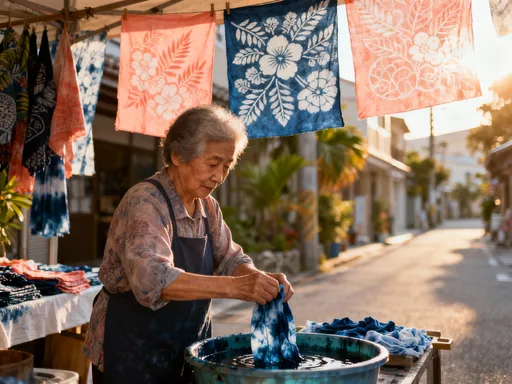
Kamakura’s local markets are not grand tourist spectacles. They are humble, intimate spaces where daily life unfolds with grace and rhythm. Unlike the bustling fish markets of Tokyo or the souvenir-lined alleys of Kyoto, Kamakura’s shopping streets — known locally as *shotengai* — retain a village-like warmth. The Komachi Street market, stretching from Kamakura Station toward the famous Tsurugaoka Hachimangu Shrine, is a prime example. Here, narrow lanes are lined with family-run stalls selling everything from pickled vegetables to handmade fans, but it is the food that draws the deepest attention. Early each morning, vendors arrange baskets of crisp daikon radishes, bunches of leafy greens, and trays of freshly caught *shirasu* — tiny, silvery whitebait pulled from the Sagami Bay just hours before.
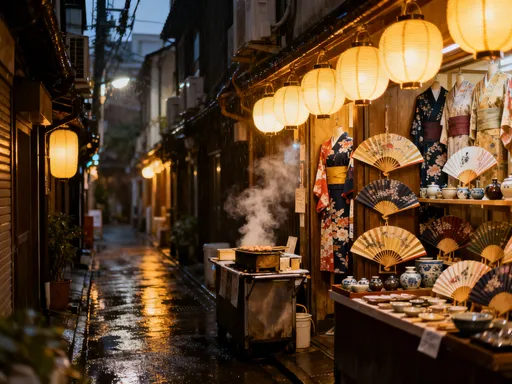
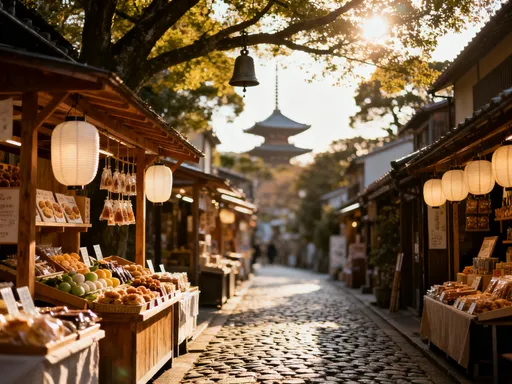
What makes these markets special is their authenticity. There are no flashy signs or mass-produced trinkets dominating the storefronts. Instead, wooden awnings shade hand-lettered signs, and paper lanterns sway above cobblestone paths. The sound of temple bells drifts in from nearby shrines, blending with the soft chatter of neighbors exchanging greetings. Shoppers — mostly locals — move slowly, taking time to inspect each item, asking questions, and sharing stories. This is not a place to rush through, but to linger in. Vendors often offer small samples — a bite of warm *kuzu mochi*, a spoonful of sweet red bean paste — not to sell, but to share. This personal touch transforms shopping into a cultural experience, one rooted in trust, seasonality, and community.
One of the most beloved seasonal treats found in these markets is *kuzu mochi*, a delicate jelly made from kudzu starch. Served chilled and dusted with roasted soybean powder, it melts on the tongue with a subtle sweetness. Another staple is *shirasu*, often sold still glistening with seawater. Locals buy it by the bowl to enjoy raw over steamed rice, a simple dish that captures the freshness of the coast. These ingredients are not exotic novelties — they are everyday foods, cherished for their purity and connection to the land and sea. For visitors, exploring these markets offers a rare glimpse into how Kamakura residents live, eat, and celebrate the seasons, one small purchase at a time.
From Market to Table: The Farm-to-Fork Culture
In Kamakura, the journey from farm to fork is short, transparent, and deeply respected. Many restaurants source their ingredients directly from nearby farms, fishing boats, and market vendors, creating a culinary cycle that honors freshness and sustainability. This is not a trendy concept imported from abroad — it is a way of life that has existed for generations. Local chefs often begin their mornings at the same markets their customers visit, selecting the day’s best produce with the eye of a craftsman. A head chef at a modest *shojin ryori* restaurant might hand-pick eggplants grown in a temple garden, knowing they were watered with rain collected from temple rooftops.
Seasonality is at the core of Kamakura’s food culture. In autumn, the arrival of *sanma*, or Pacific saury, is celebrated with quiet reverence. This slender, oily fish is grilled simply with a sprinkle of salt and served with a wedge of citrus. Its rich flavor speaks of cool ocean currents and crisp mountain air. In spring, bamboo shoots emerge from the hillsides, dug up at dawn and delivered to kitchens before noon. Summer brings plump edamame and cucumbers, perfect for chilled salads and pickles. Winter offers hearty root vegetables and miso soups simmered for hours. Each season shapes the menu, ensuring that every meal feels timely and meaningful.
One of the most distinctive culinary traditions in Kamakura is *shojin ryori*, the vegetarian cuisine developed by Buddhist monks. Rooted in mindfulness and simplicity, it uses no meat, fish, or strong flavors like garlic and onion. Instead, it highlights the natural taste of vegetables, tofu, and seaweed. Many temples open their kitchens to the public, offering lunch to visitors who wish to experience this meditative way of eating. Ingredients are often grown in temple gardens using organic methods, and every dish is prepared with intention. A single bowl of miso soup might contain seven different vegetables, each cut to a precise size to ensure even cooking. This attention to detail reflects a deeper philosophy: that food is not just nourishment, but a form of spiritual practice.
What makes Kamakura’s farm-to-fork culture truly special is the relationships behind it. Chefs and farmers often know each other by name, exchanging news along with produce. Fishermen hand over their catch to the same restaurant owner for decades, trusting that their work will be honored. This network of trust ensures quality and continuity, preserving traditions that might otherwise fade in a fast-changing world. For visitors, dining in Kamakura means participating in this living system — one where every bite connects back to a person, a place, and a season.
Hidden Eateries Only Locals Know
Just off the main streets of Kamakura, tucked behind stone lanterns and climbing hydrangeas, lie some of the town’s most treasured dining spots. These are not listed in glossy guidebooks or ranked on global food apps. They are small, often family-run establishments where the menu changes with the weather and the owner greets you like an old friend. One such place is a decades-old *udon* shop nestled near Hase Temple. With only six counter seats and a steaming pot always on the stove, it has served hand-pulled noodles to generations of locals. The dough is kneaded daily, rolled with care, and cut into thick, chewy strands that hold the broth perfectly. The broth itself is a clear dashi made from kombu and bonito, simmered for hours to extract depth without heaviness.
The experience of eating here is as important as the food. There is no menu to study — the owner simply asks if you’d like hot or cold udon, then prepares it with quiet focus. The noodles arrive in a wooden bowl, topped with grated daikon, green onions, and a wedge of yuzu. Every bite is clean, satisfying, and deeply comforting. The walls are lined with faded photographs of past customers, and the counter bears the gentle grooves of years of use. This is not a performance for tourists — it is a real place, where food is made with pride and shared with warmth.
Another hidden gem is a tiny *kissaten*, or traditional Japanese café, located down a narrow alley near the base of a stone staircase. Opened in the 1950s, it has changed little over the decades. The owner, a woman in her seventies, still roasts her own coffee beans in a small machine behind the counter. The scent of dark, nutty coffee fills the air, mingling with the delicate sweetness of homemade *wagashi* — traditional confections shaped like cherry blossoms or maple leaves. Customers sip their tea slowly, reading old magazines or gazing out at the garden, where a koi pond glimmers under the afternoon sun. This is a place to pause, to breathe, to let time slow down.
These hidden eateries share a common spirit: they are not trying to impress, but to welcome. There is no pretense, no need for translation apps or complicated orders. A smile, a nod, and an openness to try something new are all that’s needed. For visitors willing to step off the beaten path, these moments of quiet connection become the most memorable parts of the journey. They remind us that the best meals are not always the most elaborate — sometimes, they are simply made with care, shared with kindness, and enjoyed in peace.
Shopping for Flavor: Edible Souvenirs Worth Trying
One of the greatest joys of visiting Kamakura is discovering edible souvenirs — small, thoughtful gifts that carry the taste of the town. Unlike mass-produced snacks found in airport shops, these items are crafted with care, often by artisans who have spent decades perfecting their recipes. Among the most popular are matcha-based sweets, which reflect Kamakura’s deep connection to tea culture. High-quality matcha is grown in nearby Uji and Kyoto, but Kamakura’s confectioners have made it their own, blending it into delicate cookies, soft mochi, and even savory crackers. These treats are not overly sweet — they honor the natural bitterness of matcha, balancing it with subtle sweetness and texture.
Another beloved souvenir is sesame crackers, known locally as *goma senbei*. These crisp, nutty snacks are made by toasting sesame seeds until golden, then mixing them with rice flour and baking them into thin, fragrant wafers. Some versions include a hint of soy sauce or a dusting of seaweed, adding depth without overpowering the sesame flavor. They are often sold in beautifully wrapped boxes, making them ideal for gifting. Similarly, *yuzu pepper* — a citrusy seasoning made from yuzu peel, green chili, and salt — has gained a loyal following. Just a pinch can transform a bowl of rice or a piece of grilled fish, adding brightness and warmth. It is a small jar of sunshine, capturing the essence of Kamakura’s coastal climate.
When shopping for these items, it’s important to seek out authenticity. The best places to buy are small shops within the shotengai, where owners take pride in their products. Look for signs that say “handmade” or “locally sourced,” and don’t hesitate to ask questions — many shopkeepers are happy to explain their process. Avoid stalls near major tourist sites that charge premium prices for generic goods. Instead, follow the locals: if you see a grandmother buying a particular brand of mochi, it’s likely worth trying. Packaging also matters — traditional paper wrappings and wooden boxes not only look beautiful but often indicate care and quality.
Bringing these foods home is more than a souvenir — it’s a way to extend the Kamakura experience. A matcha cookie enjoyed weeks later can transport you back to a quiet afternoon in a hillside café. A jar of yuzu pepper can inspire a simple, flavorful meal that echoes the town’s culinary values. These small tastes become memories, reminders of a place where food is made with patience, shared with care, and cherished for its connection to nature and tradition.
Temple Bells and Tea Breaks: The Rhythm of a Food-Focused Day
A perfect day in Kamakura unfolds at a gentle pace, shaped by the rhythm of temple bells, meal times, and quiet moments of reflection. It begins early, with a visit to Kencho-ji, one of Japan’s most important Zen temples. As morning light filters through cedar trees, the sound of monks chanting drifts across the courtyard. After a few moments of stillness, the journey continues down Komachi Street, where market stalls are just beginning to open. A warm *dango* skewer — chewy rice dumplings glazed with sweet soy — makes a comforting breakfast, enjoyed while walking.
By mid-morning, the markets are in full swing. This is the best time to browse, when the air is cool and the selection is fresh. A stop at a small produce stand offers a chance to try a sample of *kaki* (persimmon), its honeyed flesh a preview of autumn’s sweetness. Nearby, a fishmonger displays trays of *shirasu*, still glistening. With a few purchases in hand, the next stop is a family-run restaurant tucked behind a bamboo grove. Here, a lunch of *tempura udon* — light, crisp vegetables and shrimp over thick noodles — is served with a side of pickled plum and a small dish of grated daikon. The broth is steaming, the atmosphere peaceful.
After lunch, a mid-afternoon tea break at a traditional *kissaten* offers a moment of calm. A bowl of thick matcha, prepared with deliberate movements, is paired with a single *wagashi* shaped like a maple leaf. The bitterness of the tea, the sweetness of the confection, and the quiet hum of conversation create a sense of balance. As the sun begins to lower, a walk toward the coast leads to a small street food stand selling *taiyaki* — fish-shaped cakes filled with red bean paste or custard. The crisp exterior and warm filling make a perfect evening treat.
This rhythm — temple, market, meal, tea, snack — mirrors the way locals live. There is no rush, no need to see everything. Each moment is savored, each bite appreciated. For visitors, following this pace allows for deeper connection, not just to the food, but to the spirit of Kamakura. It is a reminder that travel is not about checking off sights, but about immersing oneself in a way of life that values slowness, simplicity, and sensory joy.
Balancing Tradition and Trend: Modern Twists on Classic Tastes
While Kamakura deeply respects its past, it is not frozen in time. A new generation of chefs, bakers, and shop owners is finding creative ways to honor tradition while embracing innovation. This balance is evident in places like a small bakery that serves matcha croissants — flaky, buttery pastries infused with vibrant green tea powder. It sounds unexpected, but the result is harmonious, blending French technique with Japanese flavor. Similarly, an artisanal ice cream shop offers soy sauce caramel swirls and sesame miso cones, each scoop a thoughtful reinterpretation of familiar tastes.
These modern twists do not replace tradition — they complement it. A young chef might use centuries-old fermentation methods to create craft sake, then serve it in a sleek, minimalist bar that attracts both locals and visitors. Another shop might sell handmade *wagashi*, but present them in modern packaging with seasonal themes — cherry blossoms in spring, snowflakes in winter. These updates make tradition accessible without diluting its essence. They show that heritage can evolve, as long as it is rooted in respect and quality.
One of the most exciting developments is the rise of small craft sake bars, where visitors can sample locally brewed varieties in a relaxed setting. These bars often partner with nearby rice farmers and breweries, highlighting the connection between land and drink. A flight of three sakes — one dry, one sweet, one earthy — tells a story of climate, soil, and craftsmanship. It is a social, educational experience that invites curiosity and conversation.
What makes these innovations successful is their humility. They do not seek to shock or impress, but to invite. They understand that Kamakura’s soul lies in its quiet dignity, its connection to nature, and its commitment to care. By building on that foundation, these modern expressions ensure that the town’s culinary culture remains vibrant, relevant, and welcoming to future generations.
Why This Experience Stands Out — And How to Make It Your Own
In a world of fast travel and curated experiences, Kamakura offers something rare: authenticity. Unlike the crowded streets of Kyoto or the neon buzz of Tokyo, Kamakura moves at a gentler pace. It does not perform for visitors — it simply lives. This makes it a perfect destination for those seeking depth over spectacle, connection over convenience. The food, the markets, the quiet temples — they are not attractions, but parts of a living culture. To experience them is to step into a different rhythm, one that values presence, patience, and sensory awareness.
For those planning a visit, a few practical tips can enhance the experience. The best times to come are spring (March to May) and autumn (September to November), when the weather is mild and the scenery stunning. Mornings are ideal for market visits, as many small shops close by early afternoon. Kamakura is easily navigable on foot or by bicycle, and the train from Tokyo takes less than an hour, making it a perfect day trip or weekend escape. When shopping or dining, a simple bow or “arigatou gozaimasu” (thank you) goes a long way in showing respect.
Most importantly, come with an open heart and a curious palate. Let the smell of grilled fish guide you down a side street. Accept a sample from a vendor with gratitude. Sit quietly in a café and watch the world pass by. True discovery in Kamakura does not come from a checklist, but from moments of unexpected connection — a shared smile, a new flavor, a stillness found beneath a temple tree. It is in these small, sensory experiences that the soul of the town reveals itself, not in grand gestures, but in quiet, everyday beauty. Let your nose lead the way, and you may find, as I did, that the most unforgettable journeys begin not with a map, but with a single, delicious step.