You Gotta See These Hidden Art Gems in Agana, Guam
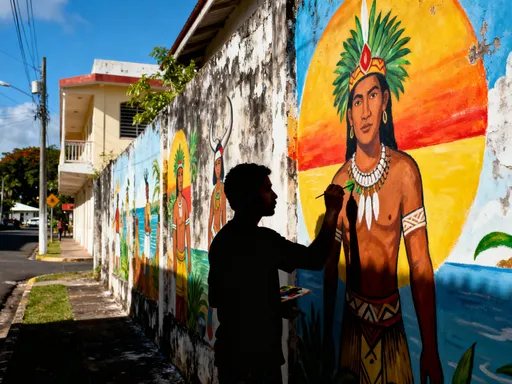
I didn’t expect to find such vibrant art tucked away in Agana, Guam—this small Pacific capital is full of surprises. Far from just beaches and shopping, its creative pulse beats in quiet alleyways, community centers, and local galleries. I wandered in without plans and stumbled upon murals that tell Chamorro stories, studios alive with color, and artists fiercely proud of their heritage. This is more than decoration; it’s identity in every brushstroke. What began as a casual walk turned into a revelation: Agana is a living canvas, where culture, memory, and resilience are painted, carved, and woven into everyday life. For travelers seeking authenticity beyond resorts and shorelines, the city’s art scene offers a rare window into the soul of the Chamorro people and the broader Pacific spirit.
The Unexpected Art Scene in a Tropical Capital
Agana, often overshadowed by Guam’s more commercialized tourist zones, harbors a quietly flourishing art culture that defies expectations. While many visitors come for the sun-drenched beaches and American-style malls, those who pause to explore the city’s streets discover a different rhythm—one shaped by brushstrokes, chants, and the quiet hum of creation. The art here is not confined to pristine white-walled galleries but lives in public spaces, family homes, and neighborhood centers. It’s woven into the fabric of daily life, emerging on weathered storefronts, school walls, and community halls. This organic integration makes Agana’s art scene feel deeply authentic, rooted not in tourism but in cultural continuity.
What sets Agana’s artistic expression apart is its foundation in Chamorro tradition—a legacy shaped by centuries of oceanic navigation, ancestral storytelling, and island resilience. Modern artists in the city do not abandon these roots; they reinterpret them. Traditional motifs like the latte stone, canoe prows, and swirling wave patterns appear in contemporary murals and digital illustrations, bridging past and present. At the same time, the influence of broader Pacific cultures—especially from Micronesia, Polynesia, and Melanesia—adds layers of regional dialogue. This fusion creates a visual language that is both local and transnational, intimate yet expansive.
The absence of large commercial galleries does not diminish the city’s creative vitality. Instead, it enhances it. Art in Agana thrives because it is community-driven, often born from grassroots initiatives rather than institutional mandates. Artists collaborate with schools, churches, and civic groups to create public works that reflect shared values and histories. These efforts are not about prestige or profit but about preservation and pride. In a place where globalization and military presence have long influenced the cultural landscape, this local art movement stands as a quiet act of reclamation—a way for residents to assert their identity on their own terms.
Walking the Streets: Murals That Tell Stories
A walk through downtown Agana is like stepping into an open-air museum where every wall holds a story. The city’s murals are not mere decorations; they are visual narratives that chronicle the Chamorro experience—from ancient seafaring traditions to the impacts of colonialism and the strength of cultural revival. In the Susana neighborhood, one expansive mural depicts a legendary chief guiding his people across the ocean in a proa, sails billowing against a golden sunrise. The image is rich with symbolism: the canoe represents continuity, the waves speak to migration and connection, and the stars above echo the navigational knowledge passed down through generations.
Other murals tackle more complex themes. Near the Agana Shopping Center, a powerful piece shows a Chamorro woman standing between two worlds—one side filled with traditional patterns and forest greenery, the other with modern cityscapes and military aircraft. The artwork, created by a local collective called Sinaom Si Yu’us, invites viewers to reflect on cultural duality and the ongoing journey of self-definition. These murals are not static; they evolve with community input, often incorporating feedback from elders and youth alike. This collaborative process ensures that the stories told are not only accurate but meaningful to those who live them.
One of the most moving murals is located along South Marine Corps Drive, where a series of panels trace the history of Guam from pre-contact times to the present. Each section is painted in distinct styles—earth-toned ochres and blacks for ancient scenes, vibrant blues and reds for contemporary life. The final panel shows children painting a new mural, suggesting that history is not fixed but continually rewritten. Locals often pause in front of this piece, some pointing it out to visitors, others simply standing in quiet contemplation. For them, it’s not just art—it’s memory made visible.
To fully appreciate these works, travelers should approach them with respect and curiosity. Many murals include small plaques with explanations in both English and Chamorro, offering context and pronunciation guides. Some are part of a self-guided art trail promoted by the Guam Museum, which provides downloadable maps and audio tours. The best time to explore is in the early morning or late afternoon when the tropical sun casts long shadows, enhancing the depth and texture of the paintings. These murals are not just to be seen—they are to be felt, understood, and honored.
Inside the Studios: Meeting Local Artists
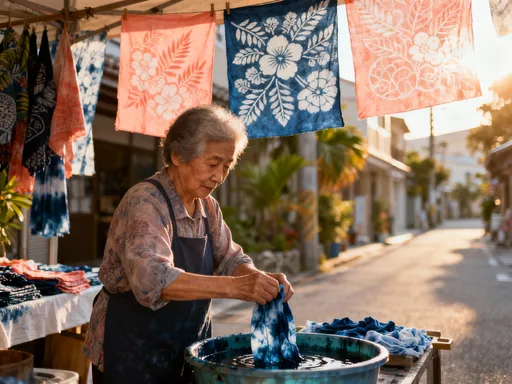
Behind unassuming doors and modest storefronts in Agana, artists are shaping the future of Chamorro expression. These studios, often tucked into residential neighborhoods or above small businesses, are where tradition meets innovation. One such space belongs to Maria Taitano, a third-generation weaver who works with natural fibers to create intricate baskets and mats using techniques passed down from her grandmother. Her studio, lit by soft island light filtering through bamboo blinds, smells of dried pandanus and coconut husk. As her hands move swiftly through the fibers, she explains that each pattern carries meaning—some represent the ocean, others family lineage, and a few are prayers for protection.
Just a few blocks away, digital artist Jay Palacios runs a small atelier where he blends Chamorro iconography with modern graphic design. His work, displayed on tablets and screens, includes animated versions of ancestral chants and interactive maps of ancient voyaging routes. “I want young people to see our culture not as something stuck in the past,” he says, “but as something alive, something they can touch and play with.” Palacios often collaborates with schools, hosting workshops where students create their own digital art using traditional symbols. His studio, though compact, buzzes with energy—especially on weekends, when local teens gather to experiment with animation and sound design.
Not all studios are open to the public, but many welcome visitors by appointment. The Agana Arts Network maintains a list of participating artists who offer studio tours, demonstrations, and occasional sales. These visits are not transactional; they are relational. Artists often share personal stories—about growing up during the Vietnam War era, about losing elders to typhoons, about the joy of seeing their children embrace Chamorro language and dance. These conversations deepen the visitor’s understanding, transforming art from object to experience. For many creators, the act of making is inseparable from the act of remembering, healing, and teaching.
One recurring theme in these studio visits is the challenge of sustainability. While passion runs deep, resources are limited. Many artists rely on small grants, community support, or side jobs to keep their work alive. Some have turned to online platforms to sell prints or teach virtual workshops, expanding their reach beyond Guam. Yet, they remain committed to local impact—mentoring youth, donating pieces to schools, and participating in cultural festivals. Their resilience mirrors that of the island itself: creative, adaptive, and deeply rooted.
Community Art Centers: Where Creativity Grows
The heartbeat of Agana’s art scene lies in its community centers—spaces where creativity is nurtured, shared, and celebrated across generations. These hubs, often run by nonprofits or cultural organizations, provide vital support for artists and residents alike. The Guam Council on the Arts and Humanities Agency (CAHA), located just outside downtown, offers regular workshops in traditional crafts like lågu making—the ancient practice of creating cloth from tree bark. Participants learn to harvest, beat, and dye the fibers using natural pigments, a process that connects them to ancestral knowledge. These sessions are open to all, from curious tourists to Chamorro elders who may have learned the craft in childhood but never had the chance to teach it.
Another key institution is the Nuestra Señora de la Soledad Art Annex, a repurposed chapel that now serves as a multi-use creative space. Here, local painters, potters, and dancers gather for weekly classes and monthly exhibitions. The Annex also hosts a youth mentorship program where teenagers work alongside master artists to create public installations. One recent project involved transforming an abandoned lot into a garden of ceramic sculptures shaped like native birds and plants. The initiative not only beautified the neighborhood but also fostered pride and ownership among young people who had previously felt disconnected from cultural traditions.
These centers are more than just places to learn—they are sanctuaries of belonging. In a city where rapid development and external influences can erode cultural identity, they offer a space to reaffirm who people are and where they come from. Classes are often intergenerational, with grandparents teaching grandchildren how to carve coconut shells or sing old lullabies. The atmosphere is warm, inclusive, and unhurried. There is no pressure to produce masterpieces; the focus is on presence, participation, and connection. This emphasis on process over product reflects a broader Pacific worldview—one that values community and continuity over individual achievement.
Accessibility is a core principle. Most programs are low-cost or free, funded by grants, donations, and partnerships with local businesses. Some centers offer transportation for elders or childcare for parents, removing common barriers to participation. Volunteers, many of them former students, help run the programs, creating a cycle of giving back. These centers do not just teach art—they build community, one brushstroke, one song, one shared meal at a time.
Galleries with a Purpose: More Than Just Exhibits
Though Agana does not have large commercial galleries, it is home to several small, mission-driven spaces that redefine what a gallery can be. The Guam Museum’s satellite gallery in the Plaza de España district is one such example. Unlike traditional museums, it does not treat art as a static artifact but as a living dialogue. Exhibits rotate every six to eight weeks, featuring works that explore themes like environmental stewardship, language preservation, and indigenous sovereignty. One recent show, titled *Voices of the Reef*, combined photography, sculpture, and sound installations to highlight the impact of climate change on marine life. Visitors could listen to recordings of coral spawning while viewing paintings made with ocean-sourced pigments.
Another notable space is Håya Art House, a nonprofit gallery housed in a restored colonial-era building. Founded by a group of Chamorro artists and educators, Håya focuses on amplifying underrepresented voices, particularly those of women and youth. The gallery hosts monthly artist talks, poetry readings, and film screenings, creating a dynamic cultural calendar. Its current exhibition, *Roots and Wings*, features mixed-media works by ten emerging artists, each exploring what it means to be Chamorro in the 21st century. Some pieces incorporate family heirlooms, others use recycled materials to comment on consumerism and sustainability.
What unites these galleries is their commitment to purpose. They are not interested in selling high-priced art to collectors but in sparking conversation, inspiring action, and preserving heritage. Many collaborate with schools, inviting students to curate mini-exhibits or participate in artist residencies. Others partner with regional Pacific nations, hosting joint shows with artists from Palau, the Marshall Islands, and Hawai‘i. These cross-cultural exchanges strengthen regional ties and highlight shared struggles and triumphs. For visitors, these galleries offer more than aesthetic pleasure—they offer insight into the values, dreams, and challenges of the community.
Supporting these spaces is a form of ethical tourism. Admission is often by donation, and proceeds go directly to artist stipends and program funding. Visitors are encouraged to engage, not just observe—asking questions, attending events, and sharing what they learn. In doing so, they become part of the story, not just spectators. These galleries prove that art, when rooted in community and purpose, can be a powerful force for change.
Planning Your Visit: Practical Tips for Art Lovers
For travelers eager to explore Agana’s art scene, thoughtful planning enhances both the experience and its impact. The best time to visit is between October and May, when the weather is drier and cultural events are most frequent. The annual Guam Arts Festival, usually held in March, brings together artists from across the island for exhibitions, performances, and workshops. Even outside festival season, many studios and centers are active, especially on weekends. It’s advisable to check schedules in advance, as some spaces operate on limited hours or require appointments.
Getting around Agana is easiest by car, though ride-sharing services and taxis are available. Public buses connect major areas but may not reach smaller studios or alleyway murals. A printed or digital art map, available through the Guam Museum or CAHA website, helps visitors navigate the scattered sites. Comfortable walking shoes are essential, as many artworks are best seen on foot, especially in the older districts where streets are narrow and shaded by banyan trees.
Respect is paramount. When photographing murals or visiting studios, always ask permission, especially if people are present. Some artworks have spiritual or familial significance and may not be suitable for public sharing. When speaking with artists, listen more than you speak, and avoid treating their culture as exotic or quaint. A simple “Håfa adai” (hello in Chamorro) goes a long way in building rapport. If you purchase art, do so directly from the creator or an authorized venue, ensuring that support reaches the source.
Slow travel is encouraged. Rather than rushing from site to site, spend time in one place—sit in a community center, attend a workshop, share a meal with locals. These moments often yield the richest experiences. Many artists welcome genuine interest and are happy to share stories if approached with humility. By traveling mindfully, visitors honor the culture they’ve come to admire and contribute to its sustainability.
Why Agana’s Art Matters—And Why You Should Care
Agana’s art scene is more than a collection of murals, studios, and galleries—it is a living testament to cultural resilience. In a world where homogenization threatens local identities, the city’s creative expression stands as a bold affirmation of who the Chamorro people are and what they value. Every painting, every woven mat, every carved sculpture is an act of preservation, a way of saying, “We are still here. Our stories still matter.” For travelers, engaging with this art is not just about enrichment—it is about participation in a deeper human narrative.
By visiting these spaces, supporting local artists, and listening to their stories, visitors become allies in cultural continuity. They help ensure that traditions are not lost to time or overshadowed by external forces. Moreover, they gain something profound: a reminder that beauty and meaning are not confined to famous landmarks or luxury resorts. They can be found in a quiet studio, on a weathered wall, in the hands of an elder teaching a child to weave.
Agana challenges the stereotype of island life as merely leisure and escape. It reveals a community that is thoughtful, creative, and deeply connected to its roots. Its art is not an add-on to the travel experience—it is the experience. For those willing to look beyond the surface, the city offers a journey not just across geography, but across time and spirit. In the end, what stays with you is not just what you saw, but what you felt: the quiet pride, the enduring strength, the vibrant soul of a people who paint their world into being, one brushstroke at a time.