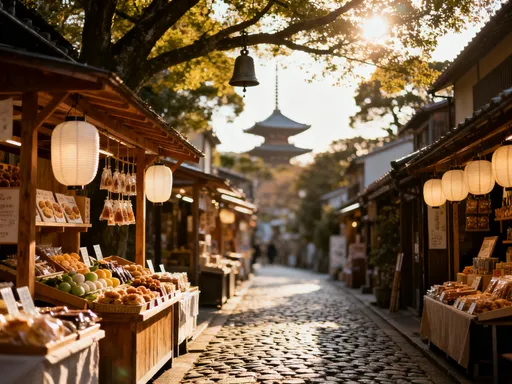
You Won’t Believe How Gozo’s Public Spaces Stole My Heart
Gozo, Malta’s quieter sister island, surprised me in ways I never expected. Beyond postcard views, it’s the public spaces—village squares, seaside benches, market corners—that make life here feel real and rich. I wandered without a map and found connection in shared sunsets, spontaneous chats, and silent moments in open plazas. This is travel at its most human, where community pulses through every cobblestone. The rhythm of daily life unfolds not behind closed doors but in full view, where neighbors meet, children play, and strangers become friends over a smile. In a world increasingly shaped by digital isolation and hurried movement, Gozo stands as a quiet reminder that belonging begins in shared space.
Arrival in Gozo: First Impressions of a Slower Life
Stepping off the ferry into Mgarr Harbour, the pace shifts instantly. The short crossing from Malta takes less than thirty minutes, but it feels like entering another era. Gone are the honking cars and crowded sidewalks; in their place, a calm settles over the harbor like morning mist. The air carries the scent of salt and wild thyme, and the only sounds are the creak of fishing boats and distant laughter from a café terrace. This immediate sense of relief is not accidental—it is woven into the island’s way of life, beginning with how people move through and inhabit public space.
In Mgarr, even the most functional areas are designed with human presence in mind. The harbor square is small but alive, with a few stone benches arranged in a semicircle facing the water. Fishermen mend nets nearby, their hands moving with practiced ease, while a local vendor sells fresh lemonade from a wooden cart. The bus stop, painted in soft pastel tones, has a roof supported by hand-carved wooden beams and a row of seats that encourage conversation. Unlike many modern transit points built for efficiency alone, this one feels like an invitation to linger. Travelers wait not with eyes glued to phones, but with eyes on the horizon, chatting with neighbors or watching the boats come in.
What struck me most was the absence of urgency. No one rushes. Children walk home from school in small groups, stopping to inspect a lizard on the wall or toss pebbles into the sea. Elders sit in the shade, reading newspapers or sipping coffee from tiny cups. The public spaces here are not empty waiting zones but active extensions of home—places where life unfolds naturally, without performance or pretense. This slower rhythm is not a lack of development, but a deliberate choice to prioritize well-being over speed.
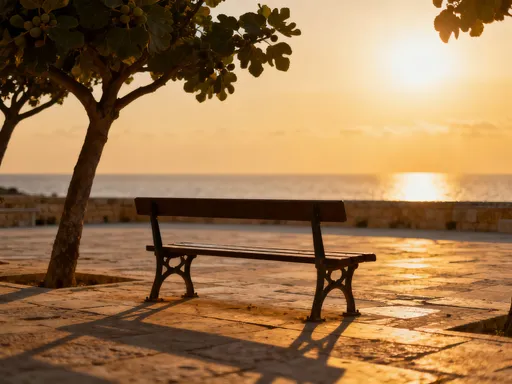
Even the placement of benches reveals intention. They are never scattered randomly but thoughtfully positioned to capture sea breezes, morning sun, or views of passing boats. Many are shaded by old fig or olive trees, their roots embedded in the same limestone that forms the island’s bedrock. These details speak to a deep understanding of how people use space—not as isolated individuals, but as members of a community shaped by climate, culture, and connection. In Gozo, infrastructure does not serve only function; it nurtures relationship.
The Heartbeat of Villages: Parish Squares as Social Hubs
Every Gozitan village revolves around its parish church and the square that surrounds it. These are not merely religious centers but the true hearts of community life. Take Victoria, the island’s capital, where Independence Square—locally known as It-Tokk—comes alive at all hours. In the early morning, the scent of fresh bread drifts from nearby bakeries as neighbors gather for coffee at sidewalk tables. By midday, the shade of palm trees draws in those seeking refuge from the sun, while in the late afternoon, the square becomes a stage for intergenerational exchange.
I spent an entire afternoon in It-Tokk, simply observing. An elderly man played dominoes with a friend on a low stone table, their movements slow and deliberate. Nearby, two women stood in animated conversation, hands gesturing as they discussed family news. Children darted between benches, chasing pigeons or balancing on low walls. A street musician played soft melodies on an accordion, his music blending with the hum of daily life. There were no loudspeakers, no advertisements, no commercial distractions—just the organic flow of human interaction.
What makes these squares so effective is their design. They are open, accessible, and uncluttered. There are no ticket booths or entrance gates, no privatized corners reserved for paying customers. The space belongs to everyone, and its layout encourages lingering rather than passing through. Wide, cobblestone paths allow for strolling, while clusters of benches create natural gathering spots. The churches themselves, with their baroque facades and towering bell towers, provide a sense of continuity and identity, anchoring the community in shared history and tradition.
These parish squares are not preserved as museum pieces but actively used and cherished. Festivals, religious processions, and seasonal markets all take place here, reinforcing their role as living spaces. Even on ordinary days, they serve as informal meeting points—places to catch up with a cousin, share news about a harvest, or simply sit in comfortable silence. In a world where public spaces are often designed for consumption or surveillance, Gozo’s squares stand out for their authenticity and warmth. They remind us that belonging is not just emotional—it is spatial.
Coastal Commons: Where Sea Meets Shared Space
The coastline of Gozo is not a series of privatized resorts or gated beaches, but a shared inheritance. Nowhere is this more evident than at Dwejra, a protected area on the island’s western edge. Here, the rocky shore forms a natural amphitheater where locals and visitors alike gather to watch the sunset, swim in sheltered inlets, or fish from low limestone walls. There are no entrance fees, no lifeguards, no snack bars—just open access to one of the most dramatic landscapes in the Maltese archipelago.
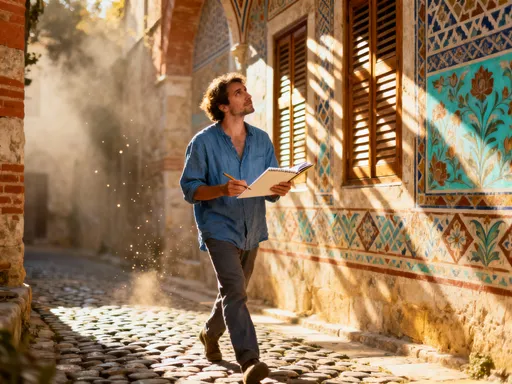
I arrived at Dwejra in the late afternoon and found the flat rocks already dotted with people. Some lay on towels, basking in the last golden light. Others stood at the edge, peering into crystal-clear pools teeming with sea urchins and small fish. A group of teenagers jumped from a low cliff into the turquoise water below, their laughter echoing across the bay. An older couple sat on a stone ledge, sharing a thermos of tea and watching the sky turn from blue to amber. I found a spot near the famous Fungus Rock and sat quietly, sketching the view as others did the same.
What makes Dwejra special is not just its natural beauty, but how freely it is shared. There are no fences, no ropes, no signs saying “Keep Out.” The land and sea are treated as common goods, accessible to all. This sense of collective ownership is reinforced by local customs—people clean up after themselves, respect quiet zones, and make room for newcomers. The space is curated not by rules, but by mutual care and tradition.
Other coastal spots across the island follow a similar pattern. At Xlendi Bay, a small fishing village on the south coast, the harbor wall doubles as a promenade. Locals fish from the edge at dawn, while families stroll along it in the evening, stopping to feed the resident cats or buy ice cream from a family-run kiosk. The nearby beach is small and pebbly, but always clean and never overcrowded. There are no luxury yachts or exclusive clubs—just simple, well-used spaces that serve the community first. This balance between preservation and access is rare in today’s tourism-driven world, yet it is central to Gozo’s identity.
Markets and Meetups: Daily Life in Open-Air Exchanges
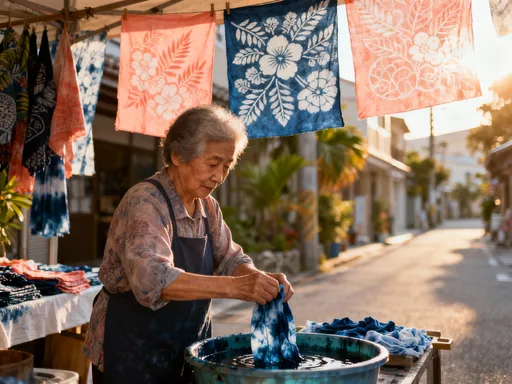
One of the most vivid expressions of Gozo’s public life is the Saturday market in Victoria. Held in a covered arcade near the main square, it is far more than a place to buy food—it is a weekly ritual of connection. Farmers arrive before dawn, unloading crates of tomatoes, cucumbers, and herbs grown in their own gardens. Artisans display handmade lace, honey, and sun-dried tomatoes in glass jars. The air fills with the scent of warm pastries, fresh cheese, and wild mint.
What sets this market apart is its social rhythm. Shoppers don’t rush from stall to stall with lists and headphones. Instead, they move slowly, stopping to talk, taste, and laugh. Many vendors are known by name, their stalls passed down through generations. I met Maria, who has sold ftira—a traditional Maltese sandwich filled with tuna, capers, and onions—from the same spot for over thirty years. She greeted customers like old friends, remembering their preferences and asking after their families. Her stall is not just a business; it is a node in the island’s social network.
The market’s layout also fosters interaction. The aisles are narrow, forcing people to slow down and make eye contact. There are no wide corridors or isolated booths—just a web of small spaces where conversation flows naturally. Customers often stand in small circles, sharing stories while waiting for their turn. Children weave between legs, chasing each other or inspecting jars of honey. Elderly shoppers sit on benches provided by the council, resting between stops. This is not a transactional space, but a relational one—a place where commerce and community coexist.
The goods themselves reflect Gozo’s values: seasonal, local, handmade. There are no imported snacks or plastic-wrapped produce. Everything is grown, cured, or crafted nearby. This commitment to authenticity extends beyond the market—farmers’ cooperatives, community gardens, and small-scale fisheries all contribute to a food culture rooted in sustainability and pride. For visitors, the market offers a taste of real island life, not a staged performance. It is a reminder that public spaces thrive when they serve daily needs, not just tourist desires.
Design That Works: How Simplicity Shapes Connection
Gozo’s public spaces are not grand or ornate, but they are deeply effective. Their power lies in simplicity—thoughtful details that prioritize comfort, safety, and human scale. Benches are made of local stone, cool to the touch and built to last centuries. Shade is provided by mature trees, their canopies forming natural umbrellas over walkways and seating areas. Streetlights are low and warm, preserving the darkness of the night sky and reducing light pollution.
There are no concrete plazas, no glass towers, no oversized developments. Buildings rarely exceed two or three stories, maintaining a sense of intimacy and scale. Signage is minimal and tasteful, with no flashing lights or loud advertisements. The result is a built environment that feels calm, coherent, and welcoming. Unlike many modern towns designed for cars or commercial traffic, Gozo’s spaces are made for people—especially for those on foot.
This approach to design is not accidental. It reflects a long-standing cultural value: that public space should serve the community, not developers or investors. Planning regulations limit building heights and restrict commercial signage, ensuring that the character of villages remains intact. New constructions must use traditional materials like limestone, blending seamlessly with the historic fabric. These rules are not seen as restrictions, but as protections—a way to honor the island’s heritage while meeting modern needs.
The absence of overcrowding also plays a role. Without mass tourism or high-density development, public spaces never feel strained or overused. There is always room to sit, to walk, to pause. People feel safe letting children play freely or leaving bags unattended while buying coffee. This sense of trust is not taken for granted—it is earned through consistent care, shared responsibility, and a culture of respect. In Gozo, good design is not just aesthetic; it is ethical.
Avoiding Overtourism: Keeping Public Life Authentic
One of the greatest threats to authentic public life is overtourism. In places like Venice, Barcelona, or Dubrovnik, historic centers have been transformed into crowded stages where locals are pushed to the margins. Shops cater to tourists, rents rise, and daily life becomes difficult. Gozo, however, has managed to avoid this fate. While visitors are welcome, the island’s infrastructure and culture remain centered on residents.
Local policies play a key role. Building restrictions prevent the construction of large hotels or resorts. Short-term rentals are regulated to avoid housing shortages. Tour groups are small and often guided by locals who emphasize cultural respect. I spent a week on the island and saw only a handful of organized tours—most visitors were independent travelers exploring at their own pace. This balance allows Gozo to share its beauty without losing its soul.
The result is a tourism model that feels sustainable and humane. Visitors are treated as guests, not customers. They are encouraged to engage with the community, not just consume its scenery. Many restaurants are family-run, with menus based on seasonal ingredients and recipes passed down through generations. There are no chain stores or souvenir shops selling mass-produced trinkets. Instead, local artisans sell lace, pottery, and olive oil—goods that reflect the island’s identity.
This approach fosters mutual respect. Locals do not resent tourism; they benefit from it when it is managed well. At the same time, visitors gain a deeper understanding of Gozitan life—one that goes beyond photo opportunities. They learn to slow down, to listen, to appreciate the quiet moments. In this way, tourism becomes not an intrusion, but a bridge.
Why This Matters: Reimagining Travel Through Shared Spaces
Gozo taught me that the most meaningful travel experiences happen not in museums or guided tours, but in the spaces between. It is on a bench by the sea, in a village square at dusk, or at a market stall sharing stories with a vendor that we truly connect—with a place, with its people, with ourselves. These public spaces are not backdrops to the journey; they are the journey.
In an age of curated Instagram spots and bucket-list tourism, Gozo offers something different: authenticity. Its squares, coasts, and markets are not designed for viral moments, but for daily life. They reflect a philosophy in which community, simplicity, and care are valued above spectacle and speed. This is not nostalgia—it is a living alternative to the way many of us live today.
The island’s approach to public space offers lessons far beyond its shores. It shows that urban design can foster connection rather than isolation. That tourism can be respectful and sustainable. That belonging is not something we find only at home, but something we can experience as travelers when we are welcomed into real life, not just its performance. Gozo does not offer escape—it offers clarity.
As I boarded the ferry to leave, I looked back at the island’s silhouette against the evening sky. I did not feel like I was losing something, but carrying something with me—the memory of shared sunsets, quiet conversations, and spaces that made me feel, simply, human. Perhaps the greatest gift of travel is not seeing new places, but seeing our own lives anew. Gozo, with its open squares and unhurried rhythm, reminded me that the heart of any place beats not in its monuments, but in its public spaces.