You Won’t Believe These Hidden Tokyo Shops Only Locals Know
Tokyo’s shopping scene goes way beyond neon-lit department stores and crowded malls. Tucked away in quiet alleyways and forgotten neighborhoods are intimate, lesser-known spots where tradition meets creativity. I stumbled upon these hidden gems while wandering off the tourist trail—places selling handmade wagashi sweets, vintage kimonos, and ceramics crafted by fourth-generation artisans. This isn’t just shopping—it’s a quiet journey into Tokyo’s soul. Each storefront, often no wider than a doorway, holds decades of history, family pride, and meticulous craftsmanship. For travelers seeking authenticity, these unassuming corners offer a richer, more personal experience than any flagship store ever could. In a city that seamlessly blends the ultramodern with the deeply traditional, discovering these local secrets becomes not just a pastime, but a meaningful connection to the heart of Japanese culture.
Beyond Shibuya: The Allure of Off-the-Beaten-Path Shopping
Tokyo’s reputation as a global shopping capital is well earned, with districts like Shibuya, Ginza, and Shinjuku drawing millions each year. These areas dazzle with their scale, variety, and sensory overload—towering department stores, flashy electronics boutiques, and endless rows of international fashion chains. Yet, for all their energy, they often offer a homogenized version of consumerism, one that could exist in any major metropolis. The true essence of Tokyo’s retail culture, however, lies beyond these commercial hubs, in the quiet backstreets where small, family-run businesses have endured for generations. These are not shops designed for mass appeal, but for community, continuity, and craftsmanship.
Exploring these lesser-known shopping areas transforms a tourist into a participant in daily life. Walking through residential neighborhoods like Yanaka or Kagurazaka, one notices the rhythm of local commerce: a grandmother arranging pickles in wooden barrels outside her shop, a craftsman sanding a wooden fan in full view of the street, or a tea vendor offering samples from behind a counter barely two feet wide. There’s an intimacy here that department stores cannot replicate. The air carries the scent of roasted tea, incense, and simmering broth, while the quiet hum of conversation replaces the buzz of escalators and loudspeaker announcements. This contrast is not accidental—it reflects a different philosophy of shopping, one rooted in relationship, tradition, and presence.
Seeking out these hidden shopping destinations enhances cultural immersion in a profound way. Unlike the transactional nature of big-box retail, where speed and efficiency dominate, these small shops invite slowness. Time feels different here. A purchase is often accompanied by a story, a bow, or a shared moment of appreciation. This authenticity is what modern travelers increasingly crave. In a world where experiences are valued over possessions, these local markets offer something rare: a genuine encounter with place and people. By stepping away from the crowds, visitors gain not just unique souvenirs, but a deeper understanding of Tokyo’s enduring spirit.
Yanaka Ginza: Where Old Tokyo Still Sells
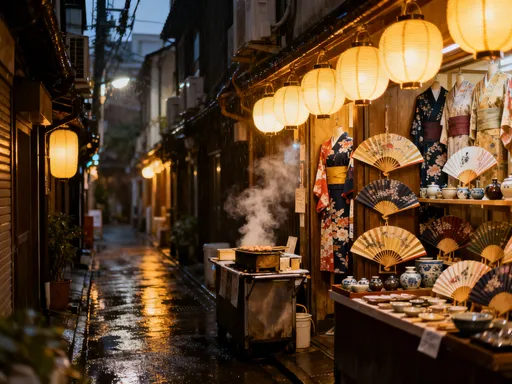
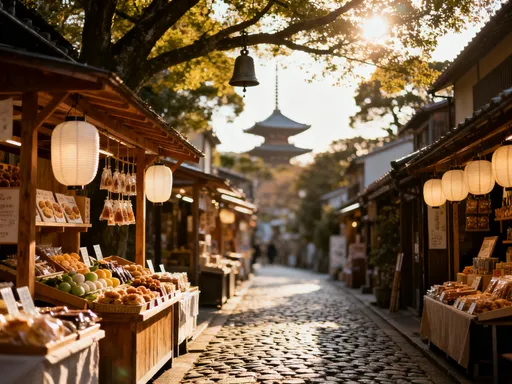
One of the most beloved hidden shopping streets in Tokyo is Yanaka Ginza, a narrow, sloping lane in the historic Taito ward. Unlike its namesake in central Ginza, this version is a humble, human-scaled strip that feels frozen in time. Lined with wooden storefronts, paper lanterns, and retro signage, Yanaka Ginza exudes a nostalgic charm that resonates deeply with both older locals and younger visitors drawn to its authenticity. The street survived the widespread destruction of World War II and the rapid modernization that followed, preserving a slice of Showa-era Tokyo that is increasingly rare.
Here, shopping is a sensory delight. At one end, a shop specializing in handmade manju—steamed buns filled with sweet red bean paste—fills the air with a warm, doughy aroma. Visitors often queue for freshly baked batches, served on simple paper trays. Nearby, a fourth-generation fan maker carefully assembles uchiwa, traditional flat fans, using bamboo frames and delicate paper painted with seasonal motifs. Each piece is a functional artwork, reflecting years of skill passed down through the family. Another shop displays rows of geta, wooden sandals hand-carved with precision, available in classic black or more playful designs featuring cherry blossoms or wave patterns.
What makes Yanaka Ginza special is not just the products, but the atmosphere of community. Shopkeepers greet regulars by name, children run errands for their parents, and elderly neighbors sit on benches sharing tea. The pace is unhurried, encouraging visitors to linger and observe. It’s common to see tourists sitting at tiny outdoor tables, sipping matcha while watching the quiet flow of life. The street also hosts a weekly market on Sundays, where local farmers and artisans sell seasonal produce, handmade snacks, and small crafts, adding to its vibrant, grassroots energy.
For those planning a visit, the best time to experience Yanaka Ginza is mid-morning to early afternoon on a weekday, when the crowds are thinner and the light filters softly through the overhead awnings. It’s easily accessible via the Chiyoda Line, with Nezu Station just a ten-minute walk away. Comfortable shoes are recommended, as the area is best explored on foot, and cash is still the preferred payment method in many shops. Visitors should also take time to wander the surrounding Yanaka neighborhood, home to serene temples, traditional gardens, and the peaceful Yanaka Cemetery, offering a full immersion into old Tokyo’s quiet beauty.
Kappabashi Street: Tokyo’s Kitchenware Wonderland (Most Tourists Miss)
Nestled between Ueno and Asakusa, Kappabashi Street—often called “Kitchen Town”—is a paradise for food lovers, chefs, and curious travelers. Stretching nearly 800 meters, this specialized shopping district is dedicated entirely to culinary tools and supplies. From stainless steel pots and professional-grade knives to plastic food models and decorative tableware, Kappabashi offers an astonishing array of kitchen essentials. What makes it truly unique is that many of these shops, while serving restaurants and hotels, are open to the public, allowing visitors to browse and purchase like seasoned professionals.
One of the most iconic experiences in Kappabashi is seeing the hyper-realistic plastic food displays that line shop windows. These models, used by restaurants across Japan to showcase their menus, are meticulously crafted to resemble everything from steaming ramen bowls to delicate sushi rolls. Several shops offer workshops where visitors can create their own miniature food replicas, a fun and memorable hands-on activity. Beyond the novelties, the street is a treasure trove for serious cooks. Knife shops display blades forged by master artisans, some offering custom engraving services. Cookware stores stock everything from cast iron griddles to traditional ceramic donburi bowls, many handmade in regional pottery towns like Mashiko and Kutani.
For travelers looking for distinctive souvenirs, Kappabashi delivers. Unlike mass-produced trinkets, items from here carry practicality and cultural significance. A hand-forged Japanese knife, a set of sake cups, or a beautifully glazed teapot can serve as both a functional keepsake and a conversation starter. Some shops even specialize in restaurant branding materials, offering custom chopstick sleeves, menu printing, and signage—ideal for those dreaming of opening their own eatery.
Navigating Kappabashi is straightforward, with clear signage and many shopkeepers accustomed to international visitors. The area is most lively on weekday mornings when restaurant owners come to restock. A visit can be easily combined with a trip to nearby Senso-ji Temple in Asakusa, making for a full day of culture and commerce. While credit cards are accepted in larger stores, carrying cash ensures access to smaller vendors. With its blend of utility and artistry, Kappabashi Street offers a side of Tokyo’s shopping culture that is both unexpected and deeply satisfying.
Shimokitazawa: The Heart of Tokyo’s Vintage Scene
If Yanaka Ginza represents old Tokyo and Kappabashi serves the culinary world, Shimokitazawa embodies the city’s youthful, creative pulse. Located in the Setagaya ward, this bohemian neighborhood has long been a haven for artists, musicians, and fashion-forward locals. Known for its narrow, winding streets and eclectic storefronts, Shimokitazawa is the epicenter of Tokyo’s vintage shopping movement. Here, thrift stores aren’t just budget options—they are curated spaces where fashion history is celebrated and reinvented.
Walking through Shimokitazawa feels like stepping into a living mood board. Boutiques display racks of 1970s denim, 1990s band tees, and vintage kimonos repurposed into modern jackets. Stores like Flamingo and Good Days have gained cult followings for their expertly sorted collections, where every piece feels intentional rather than random. Beyond clothing, the area is rich with independent bookshops, record stores spinning jazz and indie rock, and tiny cafes tucked into alleyways. The atmosphere is relaxed, even playful, with street art, pop-up markets, and live music adding to the district’s creative energy.
What sets Shimokitazawa apart is its strong sense of community and sustainability. Many young Tokyoites come here not just to shop, but to express themselves. The rise of secondhand fashion in Japan is not merely a trend, but a reflection of growing environmental awareness and a rejection of fast fashion. Local designers often source materials from thrift stores, creating new garments that blend retro aesthetics with contemporary design. This circular economy is quietly reshaping Tokyo’s fashion landscape, with Shimokitazawa at its core.
Visitors should plan to spend at least half a day exploring the area, as its maze-like streets invite wandering and discovery. The best way to navigate is on foot, allowing time to pause at small galleries, sample artisanal coffee, or attend a live performance at one of the neighborhood’s intimate music venues. Access is easy via the Keio Inokashira Line, with Shimokitazawa Station serving as the main gateway. While weekends draw larger crowds, weekdays offer a more authentic glimpse into local life. Whether searching for a one-of-a-kind jacket or simply soaking in the creative vibe, Shimokitazawa delivers an experience that is both stylish and soulful.
Owl Pharmacy & Other Quirky Concept Stores in Kagurazaka
Winding through the hills of Tokyo’s Bunkyo ward, Kagurazaka is a neighborhood of contrasts—European elegance meets Edo-period nostalgia, all wrapped in a maze of lantern-lit alleys. Once known as a geisha district, it has evolved into one of Tokyo’s most charming and unexpected shopping destinations. Unlike the bustling energy of central Tokyo, Kagurazaka moves at a refined, almost Parisian pace. Cobblestone lanes, flower-filled planters, and French-inspired cafes create an atmosphere of quiet sophistication, making it a favorite among locals seeking tranquility and beauty.
Among its many hidden gems is the famous Owl Pharmacy, or Fukurou no Shokudou, a traditional apothecary shaped like a giant wooden owl. While it functions as a real pharmacy, its whimsical façade and interior—filled with antique jars, handwritten prescriptions, and herbal remedies—make it a must-see. The shop specializes in natural remedies and wellness products, many based on centuries-old formulas. Nearby, tea houses with unmarked doors lead to serene backrooms where matcha is served in hand-thrown pottery. These “hidden” spaces, known only to regulars, offer a rare sense of discovery.
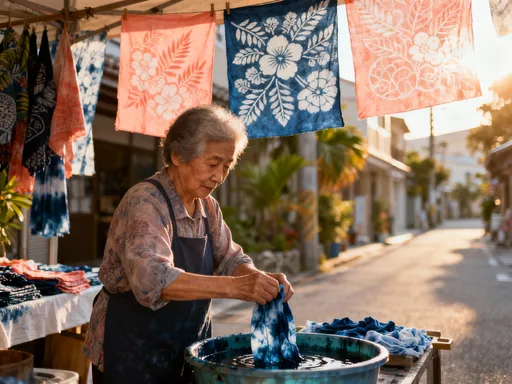
Kagurazaka’s retail scene thrives on its fusion of cultures. French-Japanese patisseries offer matcha croissants and sakura-flavored macarons, while boutique shops sell handmade soaps, indigo-dyed textiles, and artisanal tableware. Some stores are tucked behind sliding doors or up narrow staircases, rewarding the curious with intimate, gallery-like spaces. The area also hosts seasonal events, such as cherry blossom viewing evenings and lantern festivals, when the streets are softly lit and filled with the scent of grilled snacks and incense.
For visitors, the best approach is to wander without a map. The joy of Kagurazaka lies in serendipity—turning a corner and finding a tiny bookstore, a violin maker’s workshop, or a hidden garden. The district is accessible via the Tozai Line at Iidabashi Station, with a pleasant 10-minute walk uphill. Evenings are particularly enchanting, when the gas lamps are lit and the pace slows further. In a city that often prioritizes speed, Kagurazaka reminds us that beauty lies in the details, and that some of the best discoveries are the ones we don’t plan for.
Craft Markets and Pop-Ups: Finding Ephemeral Shopping Experiences
While permanent shops offer consistency, Tokyo’s temporary craft markets and pop-up events provide a sense of urgency and exclusivity. These fleeting gatherings, often held on weekends or during festivals, bring together independent artists, designers, and food makers who sell one-of-a-kind creations. Unlike fixed retail spaces, these markets are dynamic, ever-changing, and deeply personal. They reflect the city’s vibrant creative underground, where innovation and tradition coexist in surprising ways.
One of the most renowned is Design Festa, held biannually at Tokyo Big Sight. This massive event features over 10,000 creators showcasing handmade jewelry, paintings, ceramics, and wearable art. The atmosphere is electric, with live performances, DIY workshops, and interactive installations. Another popular destination is the weekend street market in Harajuku’s Takeshita Alley, where young designers sell custom pins, embroidered bags, and upcycled clothing. These stalls often appear without warning, creating a sense of discovery that mirrors the spontaneity of street fashion.
Seasonal markets also play a key role. During spring, hanami (cherry blossom) festivals include craft stalls selling sakura-themed goods, from pressed-flower stationery to limited-edition sake bottles. Autumn brings harvest markets with handmade sweets, pottery, and textiles inspired by the season’s colors. Some of the most intimate events are held in community centers or temple grounds, where local artisans demonstrate their techniques—watching a potter shape clay or a papermaker form washi sheets adds depth to any purchase.
For travelers, timing is key. Checking local event calendars or following Tokyo-based cultural blogs can help identify when and where these markets occur. Many are free to enter and cash-only, so having yen on hand is essential. These experiences offer more than shopping—they provide a direct connection to the people behind the products. In a world of mass production, such moments of authenticity are rare and precious.
Shopping with Purpose: Supporting Local Artisans and Sustainable Practices
In recent years, a growing number of travelers have begun to rethink what it means to shop while abroad. No longer satisfied with generic souvenirs, many seek items that carry meaning, craftsmanship, and a story. This shift has led to a renewed appreciation for small workshops, family-run stores, and handmade goods—elements that define Tokyo’s hidden shopping culture. Choosing to buy from a local artisan rather than a souvenir chain is not just an economic decision; it’s an act of cultural respect and sustainability.
Each purchase from a small Tokyo shop supports a legacy. The knife maker in Kappabashi, the fan crafter in Yanaka, the potter in Shimokitazawa—these individuals dedicate their lives to perfecting their craft, often trained from childhood and working within family traditions that span decades. Their products are not designed for mass appeal, but for longevity, beauty, and function. By choosing such items, travelers contribute to the preservation of these endangered skills, helping ensure they are passed on to future generations.
Moreover, mindful shopping aligns with sustainable values. Handmade goods typically involve lower environmental impact, less waste, and more ethical labor practices than factory-produced alternatives. Many artisans use natural materials, traditional dyes, and time-honored techniques that respect both people and planet. For the conscious traveler, this adds a layer of fulfillment to the experience—knowing that a purchase supports not just a business, but a way of life.
Engaging with shopkeepers, asking about the making process, or simply expressing appreciation can deepen the connection. Many artisans are delighted to share their knowledge, offering insights that transform a simple transaction into a meaningful exchange. These moments of human connection are what make travel truly transformative. In the end, the most valuable souvenirs are not the objects themselves, but the memories, stories, and relationships they represent.
True shopping in Tokyo isn’t about spending—it’s about discovering. Each hidden shop tells a story, preserves a craft, and invites connection. By stepping off the main paths, travelers don’t just see Tokyo—they feel it. So next time, skip the crowds. Wander deeper. Let the city reveal itself, one quiet storefront at a time.