You Won’t Believe What I Found Shopping in Okinawa
Shopping in Okinawa isn’t just about souvenirs—it’s a cultural adventure. From bustling markets to quiet craft studios, I discovered a side of island life I never expected. The mix of Ryukyuan tradition and modern Japanese style makes every purchase feel meaningful. Whether it’s handmade ceramics or tropical-print fabrics, each item tells a story. This is shopping with soul, not just sales. Unlike the predictable aisles of airport gift shops or mass-produced trinkets found in many tourist zones, Okinawa offers something deeper—a chance to connect with centuries-old craftsmanship, island flavors, and the gentle rhythm of life shaped by sea, sun, and heritage. What I found wasn’t merely merchandise; it was memory waiting to be carried home.
The Heartbeat of Okinawan Shopping: More Than Just Stores
In Okinawa, shopping transcends transaction. It becomes a quiet dialogue with history, a celebration of resilience, and a nod to community. Unlike commercial centers built solely for profit, Okinawan marketplaces and craft shops are living extensions of the island’s identity. Rooted in the legacy of the Ryukyu Kingdom, which thrived on maritime trade between Japan, China, and Southeast Asia, the island’s shopping culture reflects centuries of cultural exchange. This heritage is not displayed behind glass—it’s worn, used, shared, and passed down. The goods sold today, from hand-dyed textiles to clayware shaped by generations-old techniques, carry forward a tradition of mindful creation.
What sets Okinawan shopping apart is its emphasis on authenticity and purpose. Many items are made not for display but for daily use—durable, beautiful, and deeply connected to island life. A bingata-dyed scarf isn’t just colorful; it’s a wearable piece of art inspired by nature and folklore. A shisa statue isn’t merely decorative; it’s believed to ward off evil spirits and protect homes. These objects are embedded with meaning, making each purchase a small act of cultural preservation. Travelers who take the time to learn about the stories behind what they buy often leave with more than souvenirs—they carry a sense of connection.
Markets in Okinawa also serve as social hubs where locals gather, exchange news, and support one another. In towns like Naha and Nago, morning markets buzz with energy as fishermen unload the day’s catch, farmers arrange fresh produce, and elders haggle gently over prices. These spaces are not staged for tourists—they are real, vibrant, and essential to island life. Shopping here means stepping into that rhythm, engaging with people whose livelihoods depend on craftsmanship and agriculture. It’s an invitation to slow down, observe, and appreciate the value of things made with care.
Kokusai Street: The Vibrant Pulse of Naha
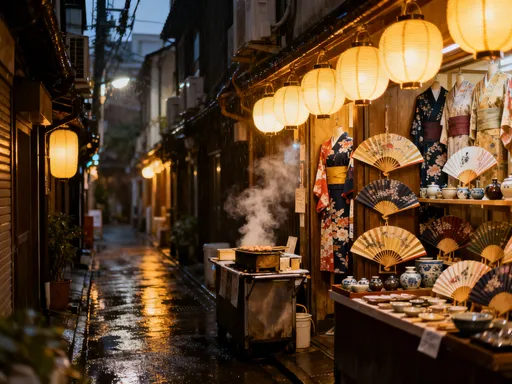
No visit to Okinawa is complete without a stroll down Kokusai Street in Naha, the island’s most famous shopping artery. Stretching nearly a mile, this lively thoroughfare pulses with energy from dawn until late evening. Bright signs glow overhead, blending Japanese characters with English translations, while the scent of grilling squid and sweet purple yam cakes drifts from open-air stalls. Music spills from storefronts, mingling with the chatter of locals and the footsteps of travelers from around the world. Kokusai Street is more than a place to shop—it’s a sensory immersion into modern Okinawan life.
Along this bustling corridor, visitors encounter a mix of modern retail and traditional offerings. Department stores and convenience chains stand beside small boutiques selling locally made crafts. The real treasures, however, lie in the specialty shops tucked between the mainstream outlets. Here, you’ll find rows of shisa statues—those whimsical lion-dog guardians with bulging eyes and open mouths, believed to protect homes and businesses. Made from clay, stone, or even recycled materials, each shisa has its own character, often painted in vibrant blues, reds, and whites.
Another highlight is Okinawan cuisine packaged for travel. Beni imo, the island’s famous purple sweet potato, appears in everything from ice cream to mochi to bottled tea. These treats make for delightful edible souvenirs, offering a taste of Okinawa’s agricultural richness. Similarly, awamori—a potent distilled liquor made from long-grain rice—lines the shelves of specialty liquor stores. Bottles range from affordable blends to aged premium varieties, some matured for decades in clay pots. Many shops offer tastings, allowing visitors to sample before purchasing.
While Kokusai Street is undeniably tourist-friendly, discerning shoppers must be mindful of authenticity. Not every item labeled “handmade” truly is. Mass-produced imitations of traditional crafts, particularly textiles and pottery, are common. To find genuine goods, look for small signs indicating local production, such as “Made in Yomitan” or “Tsuboya Clay.” Engaging with shopkeepers and asking about origins can also help distinguish authentic pieces. Visiting early in the morning or on weekdays can reduce crowds and increase opportunities for meaningful interactions.
Hidden Makers: Off-the-Beaten-Path Craft Studios
Beyond the well-trodden paths of Naha lies a quieter, more intimate side of Okinawan craftsmanship. In villages like Yomitan, Tsuboya, and Kadena, artisans work in modest studios, shaping clay, weaving fabric, and blowing glass with techniques passed down through generations. These makers are not performers for tourists—they are dedicated practitioners of their craft, often working in near silence, focused on every detail. Visiting their workshops offers a rare glimpse into the soul of Okinawan creativity.
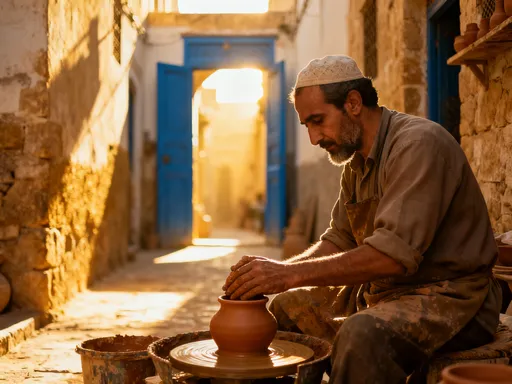
Tsuboya, located on a hillside in Naha, is one of the island’s historic pottery districts. Centuries ago, it served as a royal kiln for the Ryukyu Kingdom, producing fine ceramics for nobility and trade. Today, the area remains a center for ceramic art, with small studios nestled among traditional red-tiled homes. Walking through its narrow lanes, visitors might catch the faint smell of wood-fired kilns or see potters shaping clay on spinning wheels. Some studios welcome guests to observe, and a few even offer hands-on experiences where travelers can try their hand at shaping a simple bowl or plate.
In Yomitan, known as the “village of crafts,” textile artists keep the tradition of bashofu alive. This rare fabric, made from the fibers of the banana plant, is lightweight, breathable, and uniquely suited to Okinawa’s humid climate. The process of creating bashofu is labor-intensive—fibers are stripped, boiled, spun, and handwoven on wooden looms. Each piece can take weeks to complete. Tourists visiting local weaving cooperatives can watch demonstrations and purchase scarves, table runners, or clothing made from this remarkable material.
Equally captivating are the glass studios of Motobu and Nago, where artisans transform molten sand into delicate vases, ornaments, and jewelry. Inspired by the island’s turquoise waters and coral reefs, their creations often mimic ocean hues and natural forms. Watching a glassblower shape a glowing orb of liquid glass into a finished piece is mesmerizing—a dance of heat, breath, and precision. Many studios offer workshops, allowing visitors to create their own small glass souvenirs under expert guidance. These experiences do more than provide keepsakes; they foster appreciation for the skill and patience behind every handmade object.
Island Textiles and Tropical Prints: Wearing the Culture
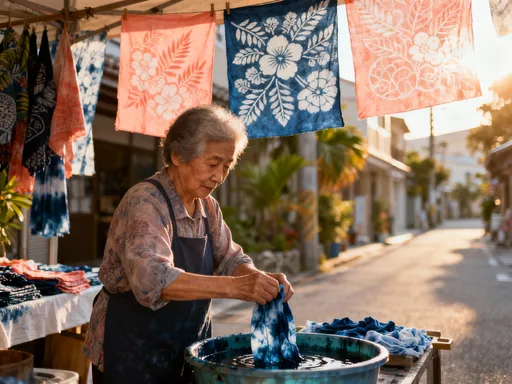
Okinawan textiles are more than fabric—they are expressions of identity, climate, and artistry. Among the most celebrated is bingata, a resist-dyeing technique that dates back over 500 years. Using stencils cut from paper or sharkskin, artisans apply vibrant dyes to cotton or silk, creating intricate patterns inspired by flowers, waves, and mythical creatures. The colors—deep indigo, fiery red, sunny yellow—are derived from natural sources like indigo plants, turmeric, and safflower. Each garment tells a story, often reflecting seasonal festivals or regional symbols.
The kariyushi shirt, Okinawa’s answer to the Hawaiian aloha shirt, exemplifies how fashion adapts to island life. Made from lightweight cotton or polyester, these short-sleeved shirts feature bold tropical prints—hibiscus blooms, sea turtles, or stylized shisa motifs. Originally designed for comfort in the heat, they have become a symbol of Okinawan pride and are often worn by locals during official events or casual outings. Unlike mass-market resort wear, authentic kariyushi shirts are crafted with attention to fit and detail, and many boutiques offer custom tailoring.
For travelers interested in textile arts, several workshops across the island provide opportunities to try bingata dyeing firsthand. In Naha and Yomitan, guided sessions allow participants to select a stencil, apply dye, and create a small keepsake—such as a handkerchief or tote bag. These hands-on experiences deepen understanding of the craft’s complexity and the time required to produce even a simple design. The resulting piece becomes more than a souvenir; it’s a personal connection to Okinawan artistry.
Textiles also play a role in ceremonial life. Traditional Ryukyuan garments, known as ryusou, feature flowing lines, bright colors, and elaborate embroidery. Worn during weddings, dances, and cultural festivals, these robes reflect the island’s historical ties to the royal court. While full ryusou are rarely worn today outside of performances, elements of the style influence modern fashion. Scarves, accessories, and home decor items often incorporate bingata patterns, allowing the aesthetic to live on in everyday life. Purchasing such items supports local artisans and helps sustain these traditions for future generations.
From Market Stalls to Night Markets: Eating as Shopping
In Okinawa, shopping and eating are beautifully intertwined. Local markets are not just places to buy goods—they are culinary destinations where flavor becomes a form of discovery. Morning markets like Makishi Public Market in Naha offer a feast for the senses. Rows of stalls display fresh seafood still glistening on ice, baskets of bitter melon and goya champuru ingredients, and pyramids of tropical fruits like papaya, mango, and sugar apple. But beyond fresh produce, these markets are treasure troves of edible souvenirs.
One of the most sought-after items is mozuku, a type of seaweed harvested from Okinawa’s clean waters. Known for its slippery texture and mild flavor, mozuku is often sold in vinegar-based sauces, ready to eat straight from the jar. Rich in nutrients and celebrated for its health benefits, it makes for a unique and healthy gift. Another popular purchase is umibudo, or “sea grapes,” tiny green beads that burst with ocean flavor when bitten. Packaged in chilled containers, they can be shipped home with proper insulation.
Brown sugar, made from sugarcane grown in Okinawa’s volcanic soil, is another staple. Unlike refined white sugar, Okinawan kokuto is minimally processed, retaining minerals and a rich caramel-like taste. Sold in flat discs or cubes, it’s used in desserts, teas, and even savory dishes. Many visitors buy several pieces to use in cooking or to give as gifts. Local bakeries also turn it into cookies, cakes, and sweet buns, blending tradition with modern taste.
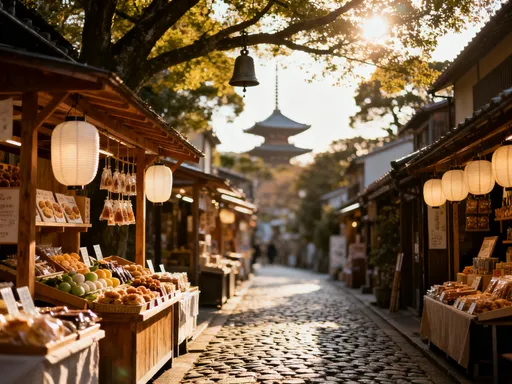
Night markets add another layer to the culinary shopping experience. Events like the Tsuboya Yachimun Street Market transform quiet neighborhoods into lively bazaars. Potters, textile artists, and food vendors set up stalls under strings of lanterns, creating a festive atmosphere. Here, visitors can sip awamori while sampling yakisoba, grilled fish, or turmeric rice. The fusion of art and food makes these gatherings especially memorable. Tasting a warm, freshly made beni imo tart while browsing hand-thrown ceramics turns shopping into a full sensory celebration—one that lingers in both memory and palate.
Practical Tips: How to Shop Like a Local
To truly appreciate Okinawa’s shopping culture, a few practical insights can make all the difference. Timing matters—mornings are ideal for visiting markets, when produce is freshest and crowds are lighter. For craft studios, weekdays often mean quieter visits and more time to talk with artisans. Avoiding peak tourist seasons, such as Golden Week in late April to early May or Obon in August, can also enhance the experience, allowing for more personal interactions and less congestion.
Bargaining is generally not practiced in Okinawa, especially in established shops and markets. Prices are typically fixed, reflecting the true cost of handmade goods and fair wages for artisans. However, in informal settings—such as small roadside stalls or community bazaars—polite negotiation may be acceptable, particularly when buying multiple items. The key is to approach with respect and a smile, never with insistence.
Identifying authentic crafts requires attention to detail. Look for labels or tags indicating the place of origin, such as “Tsuboya Yachimun” for pottery or “Yomitan Village Craft.” Genuine bingata fabric will have crisp, hand-cut stencil patterns and rich, even dyeing. When in doubt, ask the seller about the making process—artisans are usually proud to share their knowledge. Avoid items that feel flimsy, have uneven printing, or are priced suspiciously low, as these are often imported imitations.
Transporting fragile items like pottery or glassware requires care. Many studios offer packing services, using foam and sturdy boxes designed for international shipping. For carry-on luggage, wrap delicate pieces in clothing and place them in the center of your bag. Some travelers choose to mail purchases directly from post offices or shipping services located near major markets, ensuring safe delivery without the burden of carrying.
Cultural etiquette is equally important. When visiting workshops or family-run shops, a simple greeting in Japanese—such as “Konnichiwa” (hello) and “Arigatou gozaimasu” (thank you)—goes a long way. Removing shoes before entering certain studios, especially in rural areas, shows respect. Sustainability is another consideration—opting for reusable shopping bags, avoiding over-packaged goods, and supporting eco-conscious makers helps preserve Okinawa’s natural beauty and cultural integrity.
Why Okinawa’s Shopping Stays With You
Months after returning home, I still find myself reaching for the small shisa figurine on my bookshelf or wearing the bingata scarf folded carefully in my drawer. These items are more than decorations or accessories—they are anchors to a place, reminders of conversations with potters, the smell of sea salt in the air, and the quiet pride of a weaver showing her latest piece. Okinawa’s shopping experience lingers because it is rooted in meaning, not mass production.
Unlike the fleeting satisfaction of retail therapy, where purchases are quickly forgotten, shopping in Okinawa creates lasting emotional resonance. Each object carries a story—the hands that made it, the tradition it represents, the moment of connection between traveler and maker. This mindful approach to consumption transforms shopping from a transaction into a form of cultural exchange. It invites us to slow down, to appreciate craftsmanship, and to honor the lives behind the goods we bring home.
In a world increasingly dominated by fast fashion and disposable goods, Okinawa offers a different model—one where value is measured not in price tags but in heritage, care, and sustainability. By choosing to support local artisans, visitors contribute to the preservation of endangered crafts and help sustain rural communities. This awareness adds depth to every purchase, turning souvenirs into symbols of respect and remembrance.
Ultimately, shopping in Okinawa is not just about what you buy—it’s about what you take away. It’s the warmth of a craftsman’s smile, the rhythm of a loom, the scent of dye on fabric, and the quiet pride in knowing your purchase made a difference. It’s a reminder that travel is not only about seeing new places but about connecting with people, traditions, and ways of life. When you shop in Okinawa, you don’t just bring home things—you bring home stories, memories, and a deeper understanding of what it means to live with intention and beauty.