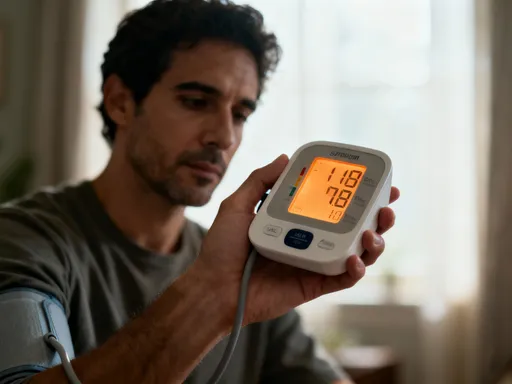
What I Learned from Messing Up My Health Tracking (And How Food Logging Helped Me Fix It)
Tracking my health felt like a win—until it didn’t. I counted steps, watched sleep, and obsessed over heart rate, but ignored the one thing fueling it all: food. Turns out, I wasn’t eating better—I was just tracking worse. This is how I realized that health monitoring means nothing without honest dietary awareness, and how fixing my eating habits changed everything. No magic, just real changes. At first, I believed the numbers on my wrist told the full story: seven hours of sleep, 12,000 steps, resting heart rate in the green zone. I wore these metrics like badges of honor. But despite the data suggesting progress, I still felt sluggish by 3 p.m., bloated after meals, and irritable for no clear reason. The truth was hidden not in my activity tracker, but in my kitchen. I had become so focused on movement and recovery that I overlooked the fuel powering my body. Only when I began logging what I ate—honestly and consistently—did the real picture emerge. This journey wasn’t about dieting. It was about clarity, accountability, and finally aligning my actions with my intentions.
The Illusion of Control: When Health Tracking Backfires
For months, I believed I was building healthier habits. I wore a fitness tracker religiously, celebrated every 10,000 steps, and felt a quiet pride when my sleep score improved. My watch told me I was doing well, so I assumed I was. But the reality was more complicated. I still struggled with afternoon fatigue, frequent headaches, and inconsistent energy. My clothes fit tighter, not looser, and I often felt disconnected from my body. It wasn’t until I mentioned these concerns to a nutrition counselor that she asked a simple question: “Are you tracking what you eat?” I paused. I wasn’t. In fact, I had actively avoided it. I assumed that because I was moving more and sleeping “well,” my diet must be fine. But the counselor pointed out a critical flaw in that logic: no amount of walking or deep sleep can compensate for poor nutrition. The data I was collecting gave me a sense of control, but it was an illusion. I was measuring the effects—steps, heart rate, sleep stages—but ignoring the cause: food.
This experience is more common than many realize. A growing number of adults rely on wearable devices to monitor their health, yet few track their eating habits with the same diligence. According to a 2022 survey by the Pew Research Center, over 21% of U.S. adults regularly use a fitness tracker or smartwatch, but only 6% consistently log their meals. This imbalance creates a dangerous gap in self-awareness. We begin to equate movement with health, assuming that burning calories justifies poor food choices. But the body doesn’t operate on a simple calorie-in, calorie-out ledger. Hormones, digestion, energy metabolism, and mood are all influenced by the quality and timing of food, not just the quantity. When we focus only on activity and ignore diet, we risk developing what experts call “metabolic whiplash”—a cycle of overexertion followed by nutritional depletion. The result is fatigue, cravings, and a stalled sense of progress, even when the numbers on our devices look good.
The illusion of control is powerful because it feels like accountability. Seeing a high step count can trigger a sense of accomplishment, even if that walk was followed by a sugary snack. But true health isn’t about checking boxes—it’s about understanding patterns. Without food tracking, we miss the connections between what we eat and how we feel. Did that midday crash come after a carb-heavy lunch? Did your energy dip coincide with skipping breakfast? These insights can’t be captured by a heart rate monitor. They require reflection, honesty, and a willingness to look beyond the data we find most comfortable. For me, the turning point came when I admitted that my tracker wasn’t lying—my interpretation of its data was. I wasn’t unhealthy because I wasn’t active enough. I was unhealthy because I wasn’t feeding myself well enough.
Why We Ignore What We Eat—Even When We Track Everything Else
There’s a deep psychological reason why so many of us avoid tracking our food while happily logging every other health metric. Food is not just fuel—it’s tied to emotion, memory, comfort, and identity. Logging steps feels neutral, even empowering. But logging meals can feel like judgment. It forces us to confront choices we’d rather forget: the extra cookie, the late-night snack, the restaurant meal eaten in silence while scrolling through our phones. For months, I avoided food journals because I feared what they would reveal. I didn’t want to admit that my “healthy” smoothie was packed with added sugar, or that I often skipped protein in favor of convenience foods. The act of writing it down made it real in a way that silent consumption did not.
This resistance is rooted in what behavioral scientists call cognitive dissonance—the mental discomfort that arises when our actions don’t match our beliefs. Most people want to see themselves as healthy, responsible, and in control. But when we log our meals honestly, the gap between intention and behavior becomes visible. That dissonance can be uncomfortable, even threatening to our self-image. As a result, we often subconsciously avoid the information that might expose it. We’ll track sleep duration but not sleep quality. We’ll count steps but not sitting time. And we’ll monitor heart rate variability but skip the food log entirely. It’s not laziness—it’s self-protection. We choose the metrics that reinforce our desired identity and avoid those that challenge it.
Another barrier is the emotional weight of food-related memories. Many women in their 30s to 50s grew up in households where food was tied to love, celebration, or stress relief. A plate of cookies might remind someone of their mother’s care during a hard week. A glass of wine might symbolize a hard-earned moment of peace. Logging these moments can feel like dismissing their emotional value. But food logging doesn’t have to be punitive. When approached with curiosity rather than criticism, it becomes a tool for understanding, not shame. Instead of asking, “Why did I eat that?” we can ask, “What was I feeling when I reached for that snack?” That shift—from judgment to inquiry—changes everything. It allows us to see food not as a moral failing, but as a signal. Hunger, boredom, stress, loneliness—these are the real drivers behind many eating choices. By acknowledging them, we begin to address the root causes, not just the symptoms.
The Blind Spot in Health Monitoring: Diet Isn’t Just Another Metric
Among all the health metrics we track—steps, sleep, heart rate, hydration—diet is the most foundational, yet the most overlooked. Unlike other data points, food directly influences every system in the body. It affects energy production, hormone balance, immune function, brain chemistry, and gut health. No other behavior has such a broad and immediate impact. Yet, in the world of personal health tracking, food often takes a back seat. Why? Because it’s complex, personal, and harder to quantify. You can measure how long you slept, but how do you measure the quality of your emotional relationship with food? You can track your heart rate, but how do you log the stress that led you to eat an entire bag of chips?
The truth is, diet isn’t just another metric. It’s the input that determines the output of every other health measurement. Poor nutrition can sabotage even the most disciplined fitness routine. For example, chronic low energy despite regular exercise may not be due to insufficient training—but to inadequate protein or iron intake. Similarly, poor sleep quality may not stem from screen time, but from blood sugar fluctuations caused by late-night snacking. A 2021 study published in the American Journal of Clinical Nutrition found that individuals who improved their dietary quality—without changing physical activity—experienced significant improvements in mood, focus, and metabolic markers within just eight weeks. This underscores a simple but powerful idea: you cannot out-exercise a bad diet.
Yet, many continue to treat diet as optional in their health tracking. They’ll invest in high-end fitness trackers but never download a food logging app. They’ll analyze their sleep stages in detail but never consider how their evening meal might be disrupting rest. This imbalance creates a distorted view of health—one that prioritizes performance over nourishment. True wellness isn’t about hitting step goals or achieving perfect sleep scores. It’s about giving the body what it needs to function optimally. And that starts with food. When we ignore diet, we’re essentially trying to run a car without checking the fuel. The engine might turn over, but it won’t run smoothly for long. By bringing food into the tracking equation, we gain a more complete, accurate picture of our health—one that reflects not just what we do, but what we consume.
Common Dietary Tracking Mistakes (And Why They Don’t Work)
When I finally committed to food logging, I made almost every mistake possible. I approached it with the same all-or-nothing mindset I had applied to other areas of my health. I would log every bite on “good” days but skip entire days when I ate something I deemed “bad.” I labeled foods as virtuous or sinful, creating a mental hierarchy that left me feeling guilty after every slip-up. I underestimated portion sizes, especially for high-calorie foods like nuts, oils, and cheese. I forgot to log condiments, dressings, and beverages—small items that added up quickly. And I expected immediate results, becoming discouraged when the scale didn’t move after a week of diligent tracking. These patterns are common, and they’re why so many people abandon food logging within weeks.
One of the biggest pitfalls is the tendency to use food logs as a tool for self-punishment rather than self-discovery. When we track only to catch ourselves “cheating,” we create a cycle of shame and restriction. This mindset often leads to disordered eating patterns, such as yo-yo dieting or emotional suppression. Research from the Journal of the Academy of Nutrition and Dietetics shows that rigid food tracking—especially when tied to weight loss goals—is associated with higher levels of stress, lower self-esteem, and reduced long-term adherence. In contrast, flexible tracking that emphasizes awareness over perfection leads to more sustainable outcomes. The goal isn’t to eliminate “bad” foods. It’s to understand why we eat them, how they make us feel, and how we can make better choices without self-judgment.
Another common error is focusing only on calories while ignoring other important factors like macronutrient balance, meal timing, and emotional context. A meal of 500 calories made of processed snacks will affect the body very differently than a 500-calorie meal rich in protein, fiber, and healthy fats. Similarly, eating the same number of calories at midnight versus noon can impact metabolism and sleep quality. Effective food logging goes beyond numbers. It includes notes on hunger levels, mood, energy, and cravings. For example, writing “ate three cookies at 10 p.m. while watching TV—felt stressed after work” provides far more insight than simply logging “3 chocolate cookies.” This kind of reflective tracking helps identify patterns and triggers, making it easier to make meaningful changes.
Shifting from Judgment to Awareness: A Better Way to Track Food
The real breakthrough in my journey came when I stopped using food logging as a report card and started using it as a journal. Instead of asking, “Did I eat well today?” I began asking, “What did I notice about my eating today?” This small shift in perspective changed everything. I started logging not just what I ate, but how I felt before and after. I noted when I reached for snacks out of boredom versus true hunger. I observed how adding protein to breakfast kept me full longer. I saw how drinking water first thing in the morning improved my focus. These weren’t judgments—they were observations. And from them, real insights emerged.
One practical strategy that helped was using simple, low-pressure tools. I began with a basic notebook, writing down meals in plain language: “oatmeal with banana and peanut butter,” “grilled chicken salad with olive oil dressing,” “apple with cheese before bed.” I avoided apps that emphasized calories or “points” and instead used one that allowed free-form notes. Some days, I even recorded voice memos while driving home, saying things like, “Had a stressful meeting, grabbed a muffin from the office kitchen. Felt shaky an hour later.” These unfiltered entries helped me see patterns without pressure. Over time, I didn’t need to track every bite. I just needed enough data to recognize trends.
Another key was practicing self-compassion. When I ate something unplanned, I didn’t erase it from the log. I wrote it down and added a note: “Needed comfort after a long day.” That act of honesty, without punishment, built trust—with myself and with the process. I began to see food not as a test of willpower, but as a form of communication. My cravings weren’t failures. They were signals. Sugar cravings often meant I hadn’t eaten enough complex carbohydrates. Late-night hunger usually meant I skipped a balanced dinner. By listening instead of judging, I learned to respond with care, not control. This approach didn’t lead to perfection. It led to progress. And that was far more valuable.
Building Sustainable Habits: Small Dietary Shifts That Stick
Once I stopped aiming for dramatic changes, real progress began. I let go of the idea that I needed to overhaul my entire diet overnight. Instead, I focused on one small, manageable goal: add protein to breakfast. That was it. No calorie counting, no forbidden foods, no strict rules. Just protein in the morning. I started with Greek yogurt, then added eggs, then tried protein smoothies. Within weeks, I noticed I was less hungry by mid-morning and more focused at work. That one change created a ripple effect. Because I felt better, I wanted to do more. I began adding vegetables to lunch. I started packing healthy snacks instead of relying on vending machines. I planned meals on weekends to avoid last-minute takeout.
These small shifts were sustainable because they were based on real data, not arbitrary rules. My food log showed me that on days I ate protein at breakfast, I made better choices all day. On days I skipped it, I craved sugar by 10 a.m. This evidence made the habit feel logical, not forced. I wasn’t following a diet. I was following my own experience. And that made all the difference. Research supports this approach: a 2020 study in Health Psychology found that individuals who made gradual, self-identified changes were more likely to maintain them over time than those who followed rigid external plans.
Another effective strategy was focusing on addition rather than restriction. Instead of saying, “I can’t eat cookies,” I said, “I will eat a piece of fruit first.” This positive framing reduced feelings of deprivation and made healthy choices feel empowering. I also built in flexibility. If I went out to dinner, I didn’t skip the log. I wrote down what I ate and how I felt afterward. Sometimes, I enjoyed the meal and felt fine. Other times, I felt bloated or sluggish—valuable feedback for next time. The goal wasn’t to be perfect. It was to be aware. And awareness, over time, leads to better decisions—not because of fear or guilt, but because of knowledge and care.
Putting It All Together: Balanced Health Monitoring That Works
Today, my approach to health tracking is more balanced and compassionate. I still wear my fitness tracker, but I no longer let it dictate my self-worth. I log my food not to restrict, but to understand. I use data as clues, not commands. When my energy dips, I don’t just check my step count—I review my meals. When I feel bloated, I don’t blame my body—I look at what I ate and when. This holistic view has transformed my relationship with health. I no longer see it as a series of numbers to optimize, but as a dynamic system to support.
The most important lesson I’ve learned is that all health behaviors are connected. Movement, sleep, stress, and diet influence each other in complex ways. A good night’s sleep improves food choices. Regular movement boosts mood and reduces emotional eating. Balanced meals stabilize energy and enhance recovery. When we track only one piece, we miss the bigger picture. But when we bring awareness to all areas—especially food—we create a feedback loop of positive change. For example, logging meals helped me realize that skipping breakfast led to overeating at lunch, which made me sluggish, which reduced my motivation to walk after dinner. Fixing one habit improved several others.
True health monitoring isn’t about perfection. It’s about consistency, curiosity, and kindness. It’s about using tools to learn, not to punish. It’s about paying attention—not just to the numbers, but to how we feel. And it’s about recognizing that food is not the enemy. It’s the foundation. When we track it with honesty and compassion, we gain insights that no fitness tracker can provide. We begin to understand our bodies not as machines to fix, but as partners to care for. And in that shift, real wellness begins.
Fixing my health didn’t come from better tracking—it came from smarter tracking. Once I included food in the equation, everything shifted. The real win wasn’t a lower number on any screen, but a deeper connection to my body. Health isn’t about perfection. It’s about paying attention—with kindness, consistency, and truth.